
The 2026 Commercial Water Heater Deadline: What Property Owners Need to Know (And What Homeowners Don't Need to Worry About)
A federal rule change is coming that will reshape the commercial water heater market across Pennsylvania, and most property owners haven't heard about it yet. Restaurant owners, hotel operators, facility managers, multi-family landlords, school administrators — if your building runs on commercial gas-fired water heating, the next 5 months matter. The headlines have been quiet, the manufacturers have been quiet, and the conversation has mostly happened inside trade publications. Here's what's actually changing and why the timeline matters now, not in 2027.
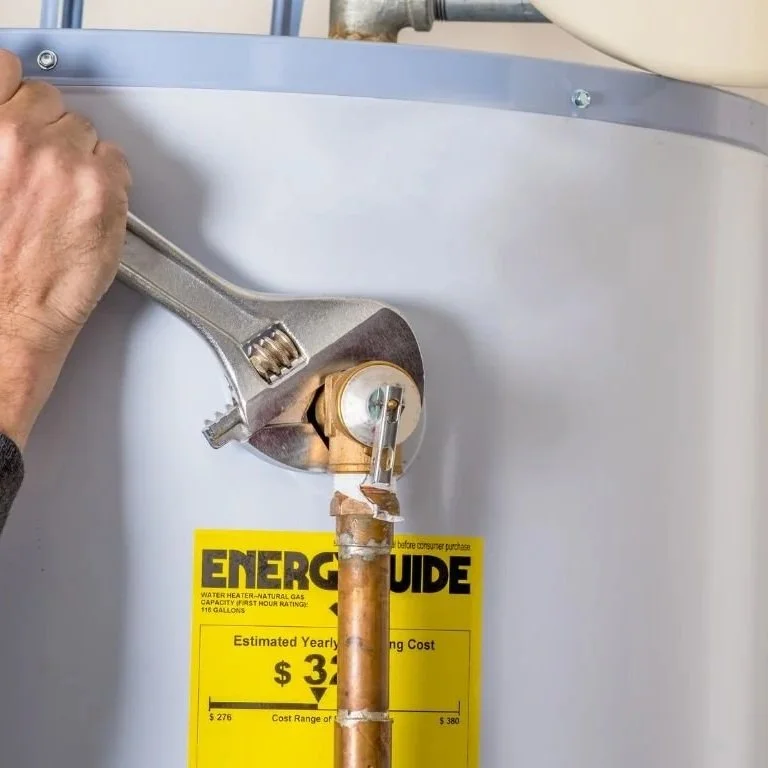
New federal rules require high-efficiency commercial water heaters by October 2026. As non-condensing units disappear, unprepared property owners risk costly, disruptive emergency conversions when existing systems fail unexpectedly.
What the rule actually says
On October 6, 2026, the Department of Energy's updated efficiency standard takes effect for newly manufactured commercial gas-fired water heaters. The rule covers both storage tanks and tankless (instantaneous) units. To meet the new standard, commercial gas storage water heaters must hit a thermal efficiency of at least 95%, and commercial gas tankless products must hit at least 96%. Practically speaking, that means condensing technology becomes mandatory — non-condensing equipment can't be built to those efficiency numbers.
A few things are worth understanding clearly. The deadline applies to manufacturing, not installation. Non-condensing units that were built before October 6, 2026 can still be sold and installed after that date, until distributor inventory runs out. The rule includes what's called an "anti-backsliding" provision, which means once the standard is in place, DOE can't loosen it later. And federal law gave manufacturers a three-year runway from when the rule was published — that runway ends in October 2026.
If your building runs commercial water heating, this is real. The question isn't whether condensing becomes the standard — it already is. The question is whether you're planning the conversion or scrambling for it.
Why the timeline is tighter than it looks
Manufacturers don't flip a switch on October 6, 2026. They wind production down for months ahead of the deadline. By mid-2026, distributors will be drawing from a shrinking pool of non-condensing inventory, and most expect those units to be largely gone within a few months of the cutoff. Bradford White, A.O. Smith, Rheem — every major commercial brand has been transitioning production lines for over a year.
Here's the scenario commercial property owners need to think about. Your existing non-condensing commercial gas water heater fails sometime in 2027. Like-for-like replacement isn't available because that inventory is gone. Now you're looking at an emergency conversion to a condensing system — which isn't a swap. Condensing units need different venting (white PVC routed to the exterior, not the existing metal flue), a condensate drain line, sometimes a gas line resize because condensing units pull more gas during firing, proper combustion air calculations, and access for the condensate disposal. That's days of downtime your business or building can't absorb.
For a restaurant, that's days of closed doors. For a hotel, it's rooms going offline during peak season. For a manufacturing facility with wash-down requirements, it's a production halt. For a school or apartment building, it's tenants and parents calling the front office. The cost of an emergency conversion isn't the equipment — it's the operational disruption and the premium pricing on rushed work.
What we're telling commercial clients to do now
The smart play is treating this as a capital planning conversation, not a maintenance one. If your existing commercial water heater is over 8 years old, has cycled through repairs, or is showing efficiency loss (longer recovery times, higher gas bills, performance complaints from staff), it's worth scheduling an assessment now and budgeting the conversion into this year’s fiscal planning. Plan the conversion around a slow season, a scheduled closure, or a building upgrade you're already doing.
We've been having these conversations with property managers across Berks, Bucks, Lehigh, and Montgomery Counties since last fall. The ones who started early have time to evaluate equipment options, get competitive bids, and schedule the work during planned downtime. The ones who wait will pay more and lose more days.
The other piece that catches commercial owners off-guard: condensing installations often need infrastructure work the existing setup doesn't have. Older buildings frequently lack a floor drain near the water heater for condensate disposal. Venting routes that worked for atmospheric flue often need to change for PVC. Some buildings need gas line upsizing to support the higher firing rate of a condensing tankless. None of this is dramatic, but all of it takes planning. We'd rather walk through the building with you now and put a proper plan together than scramble for emergency parts in 2027.
For commercial water heater needs in this region, our commercial installation team handles the full scope — equipment selection, gas, venting, condensate, electrical, permits, and inspection coordination — as a single project.
What homeowners should know (the short version)
If you're reading this as a homeowner, here's the part that matters: you don't need to do anything in 2026. The October deadline applies only to commercial gas water heaters. Your residential unit is not affected, and there's no rule requiring you to replace a working water heater. You can keep your current heater until it fails, and you can still buy and install a residential gas water heater after October 2026.
The residential rule is separate. It takes effect on May 6, 2029, and the changes are smaller than the commercial ones. Residential gas storage tanks will see incremental efficiency improvements (atmospheric units will need a flue damper, basically). Larger electric storage tanks over 35 gallons will move toward heat pump technology. There's also a separate, finalized rule for residential gas tankless that pushes those units toward condensing — but again, that's about what manufacturers can build, not what you can keep using.
Bottom line for homeowners: nothing changes for you in 2026. The next time your residential water heater fails — whether that's 2027 or 2032 — replacement options will look slightly different than they did the last time you bought one, with more efficient and more condensing models on the shelves. That's a good thing for your gas bill. It's not something you need to plan for now, and it's not something to rush a replacement decision over.
If your current residential water heater is showing real signs of failure — leaking from the base, taking much longer to recover, making popping or rumbling sounds, or pushing 12+ years old — that's a normal replacement conversation, the same one homeowners have always had. Not a regulatory panic.
Final word
The 2026 deadline is real for commercial property owners and worth planning around now. For homeowners, it's a non-event — useful to understand, nothing to act on. If you own or manage a commercial building running on gas-fired water heating, get an assessment scheduled this spring or summer while there's still runway. If you're a homeowner with a working unit, keep doing what you're doing.
