

Our Plumbing Blog
How Often Should a Rental Property's Plumbing Be Inspected?
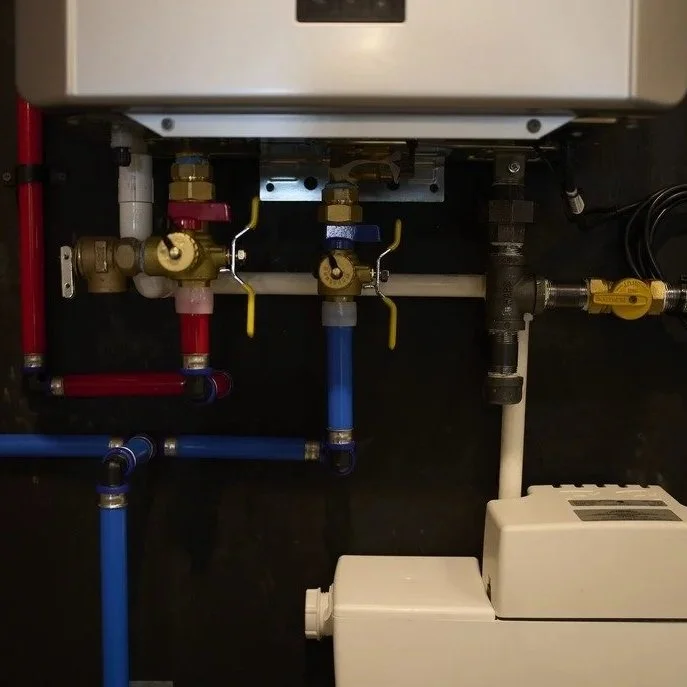
The most common casualties after a hard winter are outdoor hose bibs, underground supply lines running along exposed foundation walls, and sewer laterals in clay-tile systems. None of these are visible from an interior walkthrough.
5 Signs Your Rental Property's Main Sewer Line Is Failing
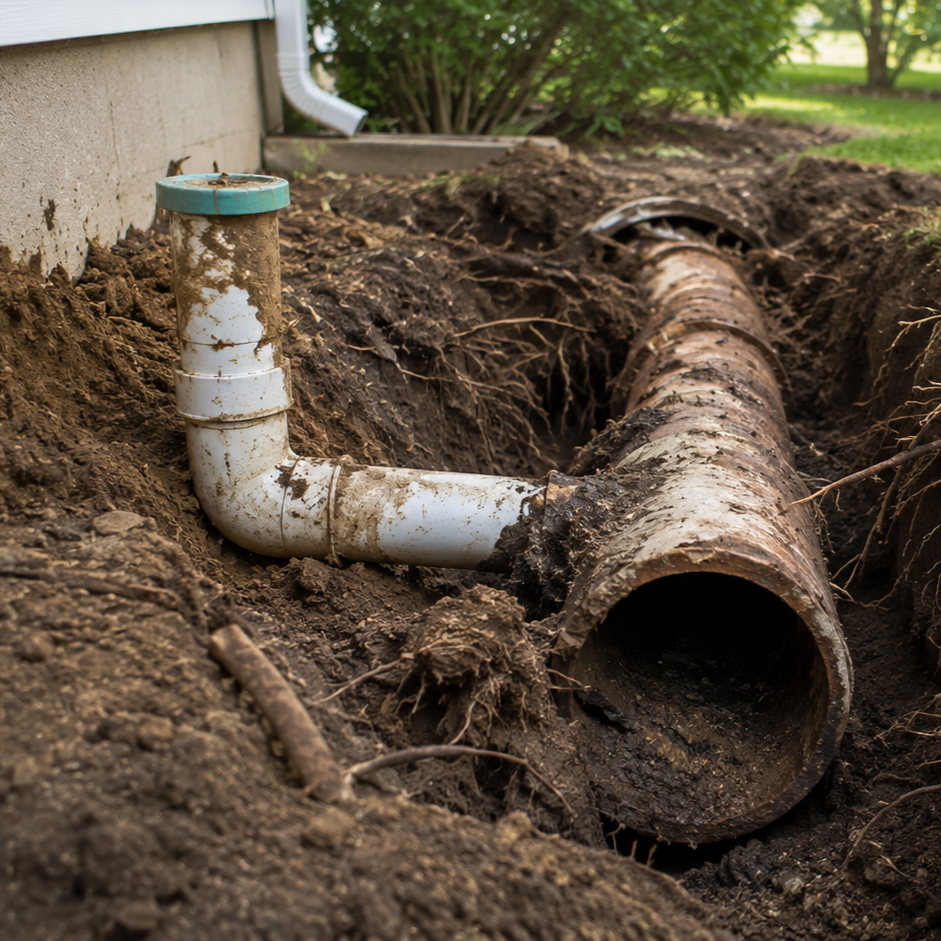
The tenant says two toilets won't flush, the basement floor drain is gurgling, and there's a smell they can only describe as "sewer." You send someone to snake the kitchen drain.
Signs Your Sewer Line Needs Attention (And What They Mean)
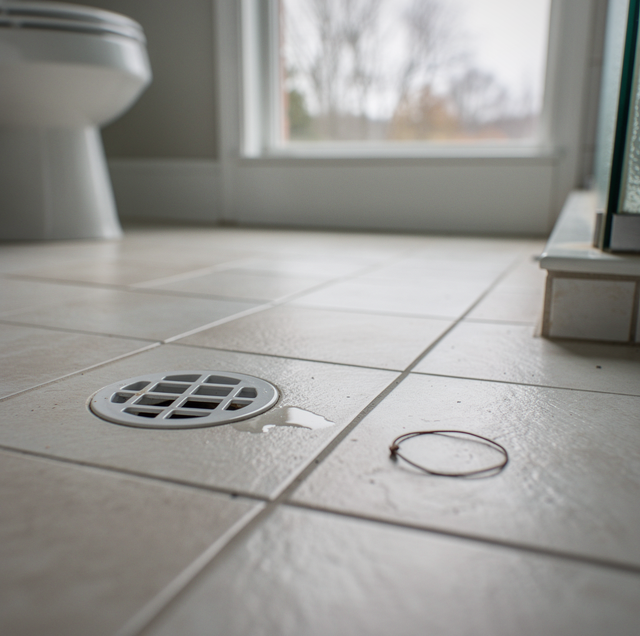
Every home has one drain line that carries everything away, and most people never think about it until it stops working the way it should.
Repair or Replace: How to Decide on an Aging Water Heater
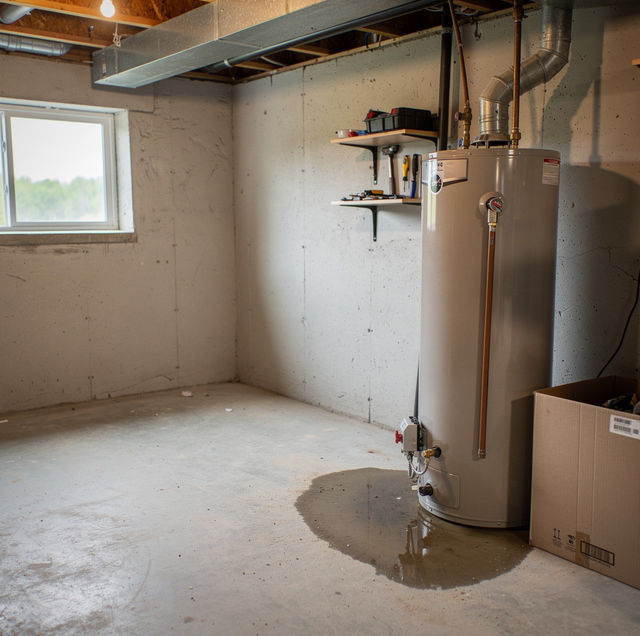
A water heater rarely gives out without warning, but it also rarely announces "replace me" in plain terms.

Why Does Sewage Back Up Into First-Floor Units in Apartment Buildings?
At each floor, branch drain lines connect individual fixtures to the correct stack. The stack carries everything down by gravity — no pumps, no pressure, just slope — until it hits the base of the building.
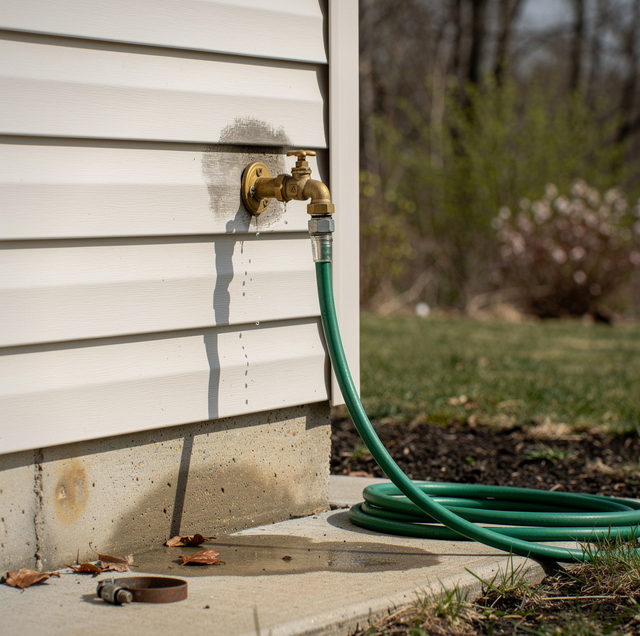
Hose Bib Leaking After Winter? What It Means
You walk out to hook up the garden hose on the first warm weekend of the year, turn the handle, and water sprays out somewhere it shouldn't.
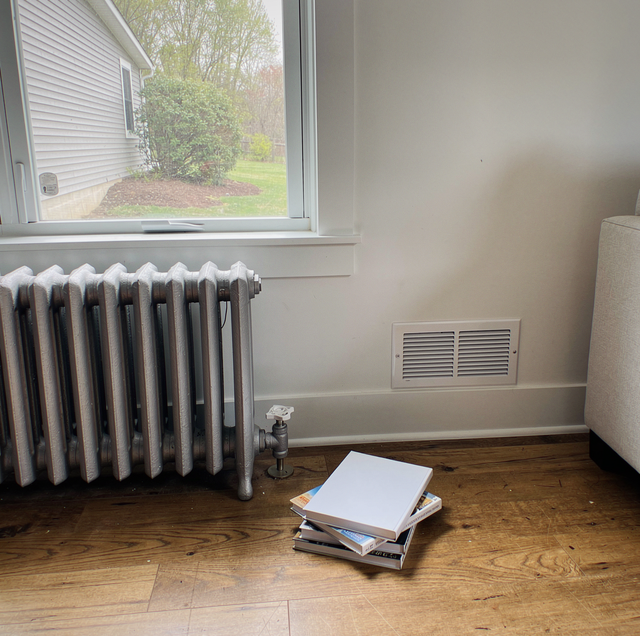
Boiler vs. Forced-Air Heat: What Actually Feels Different
Walk out of a cold hallway into a room with a cast-iron radiator working under the window, and the warmth meets you before you're all the way through the door.
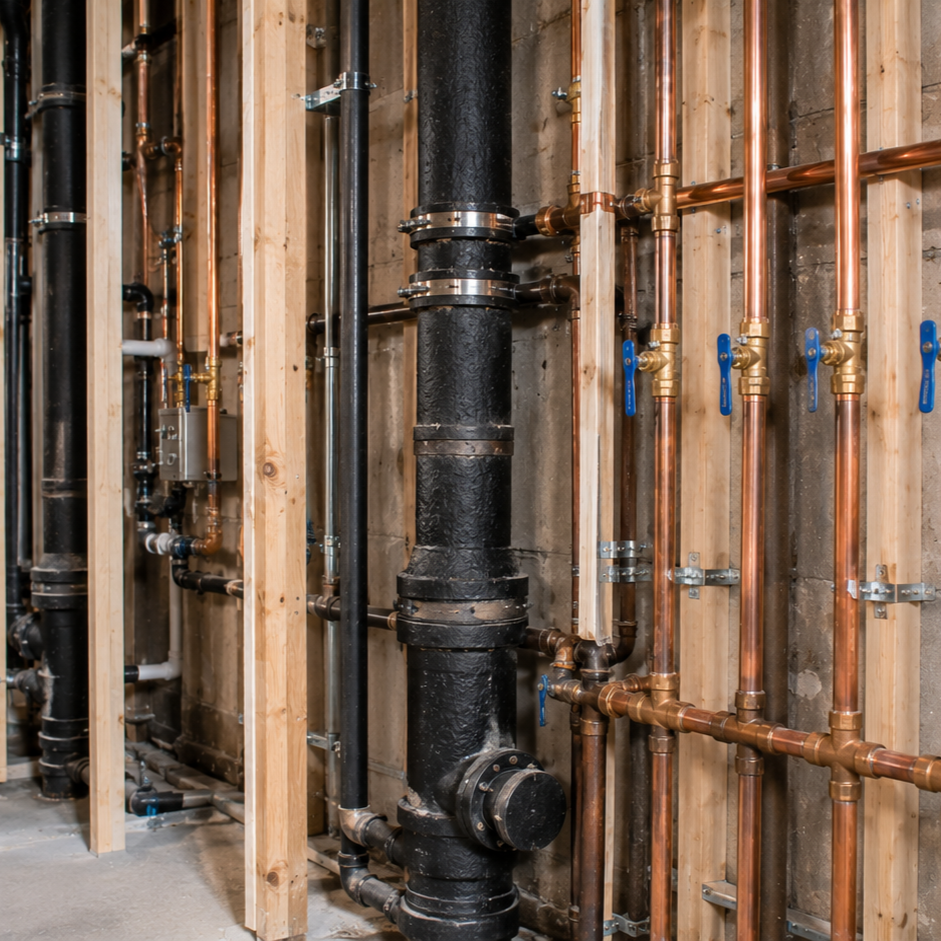
Apartment Building Repiping: Replace the Full Stack or Just the Failing Risers?
There are building conditions where targeted riser replacement is clearly the right scope. Not every problem needs a full solution.
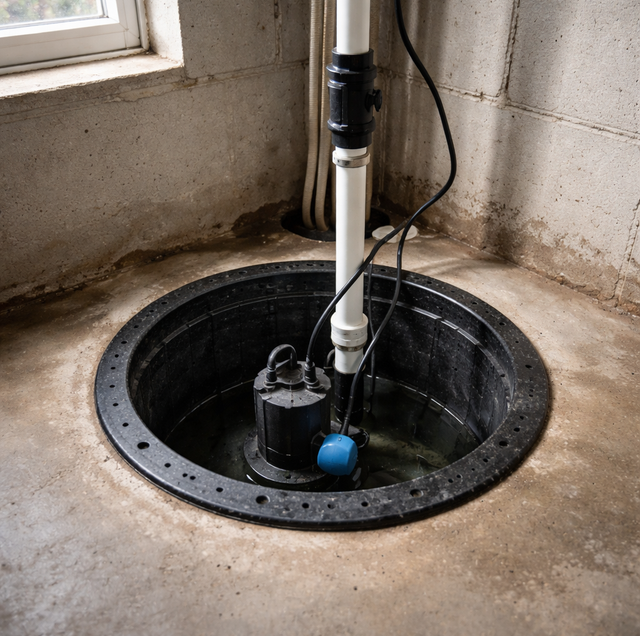
How a Sump Pump Works and When You Actually Need One
A sump pump is one of those pieces of equipment most homeowners never think about until the day water is climbing the basement steps.
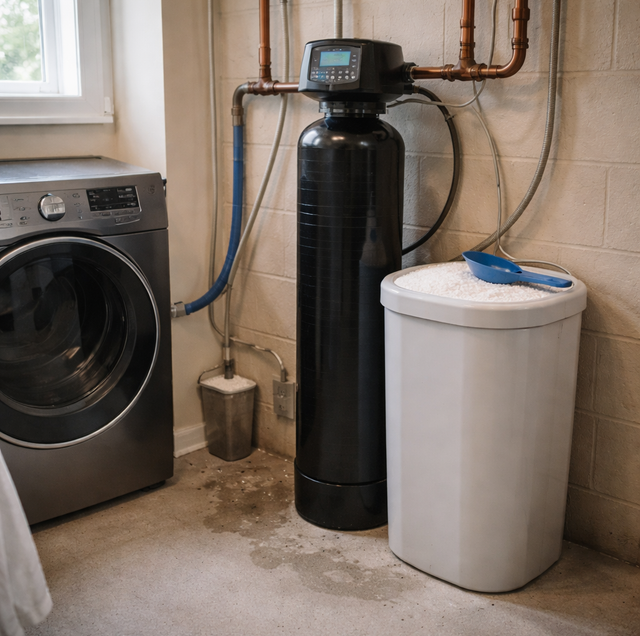
What a Water Softener Does and Whether You Actually Need One
Water that falls as rain is close to pure, but the moment it moves through soil and rock, it starts dissolving minerals.
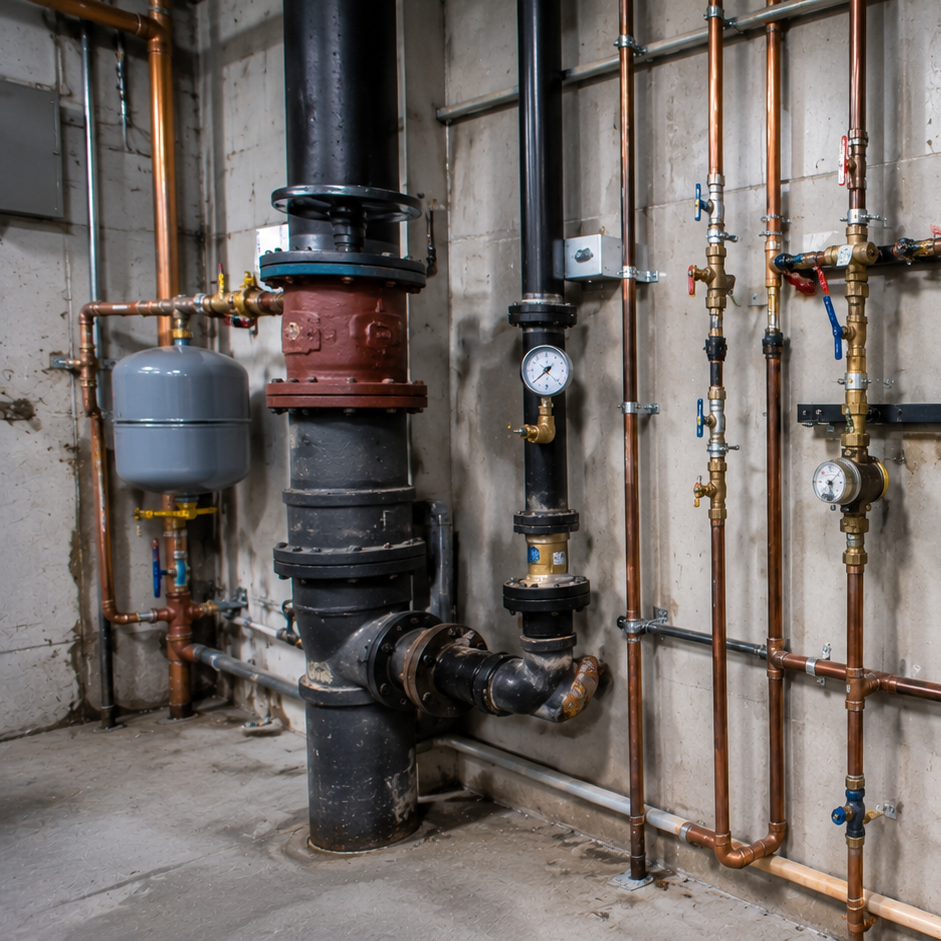
Why Do Apartment Units Lose Pressure When a Neighbor Runs the Faucet?
The narrowing isn't dramatic at first. But over decades, a 1-inch galvanized riser can shrink internally to something closer to a 5/8-inch effective opening.
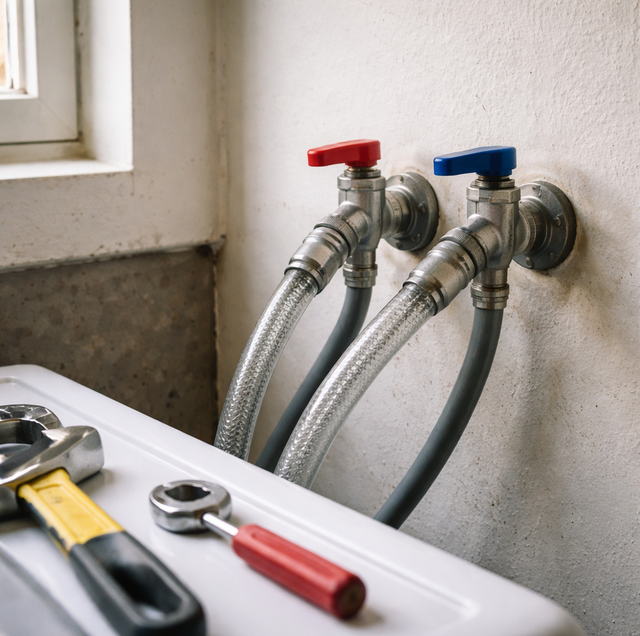
Water Hammer Explained: Why Your Pipes Bang and Thud
That sharp bang, thud, or shudder in the walls right after a faucet snaps shut or the washing machine changes cycles is not the house settling.
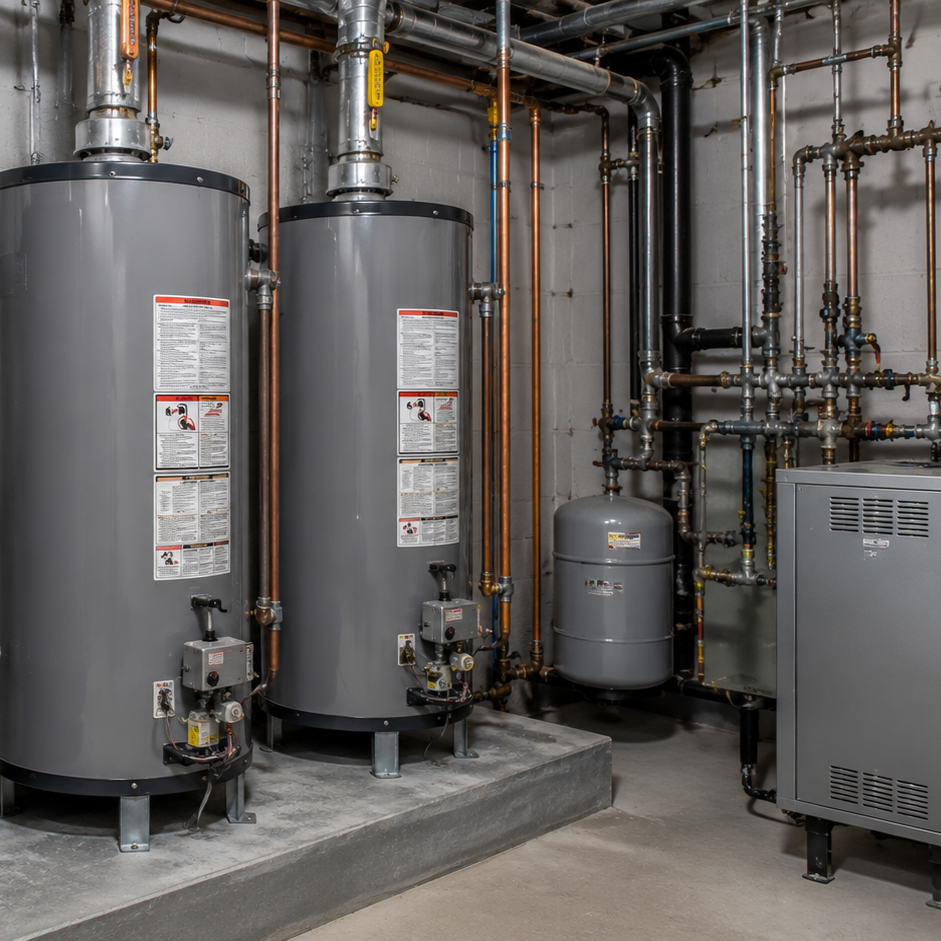
How Long Do Water Heaters Last in Apartment Buildings?
A tank type commercial water heater — storage tank, insulated shell, gas burner or electric elements — typically runs 10 to 15 years.
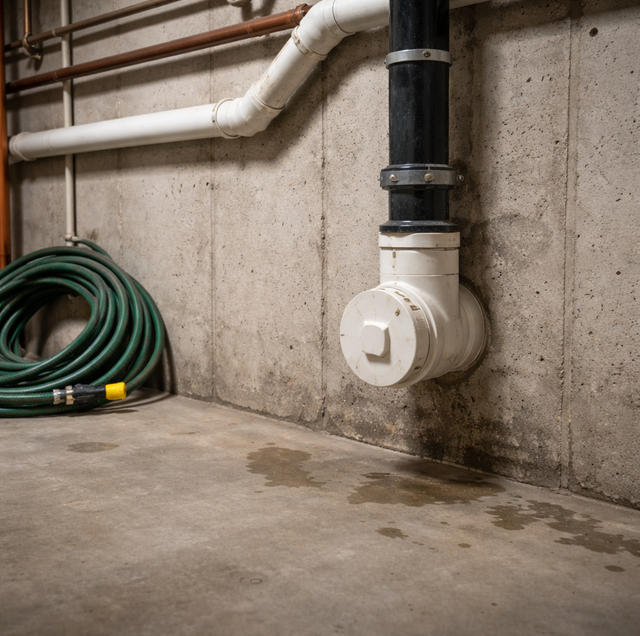
Slow Drains Whole House? The Hidden Cause Homeowners Miss
A single slow sink is annoying but simple. Every drain in the house crawling at once is a different animal, and reading that difference correctly is what keeps you from wasting a weekend on the wrong drain.
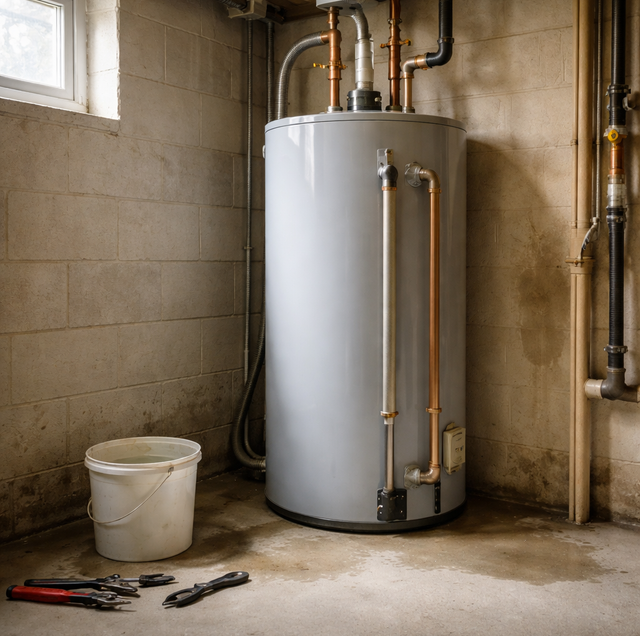
Sediment in Hot Water? What the Grit Is Telling You
Sandy grit in a glass of hot water is unsettling, but it is also one of the more readable plumbing symptoms you will run into.

The 6 Plumbing Problems That Generate the Most Tenant Complaints
Plumbing is the most common source of tenant complaints in rental properties. It's also where acting early keeps good tenants, and letting things slide doesn't.
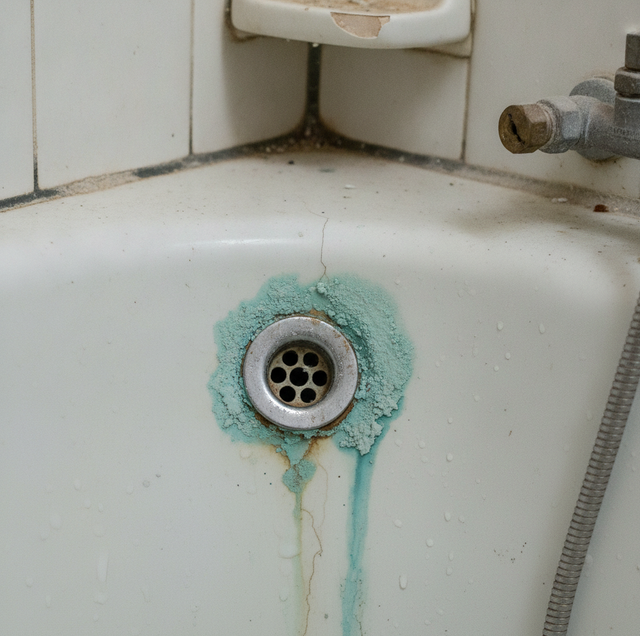
Why Is My Water Discolored or Rusty? 7 Real Causes
Discolored water rarely means one thing. A brown glass from the bathroom sink, a blue-green ring in the tub, a milky cup that clears from the bottom up, and a gray tinge only in the hot line are four different problems with four different fixes. Before anyone reaches for a wrench, two clues narrow it down quickly: the color of the water and which tap it comes out of.
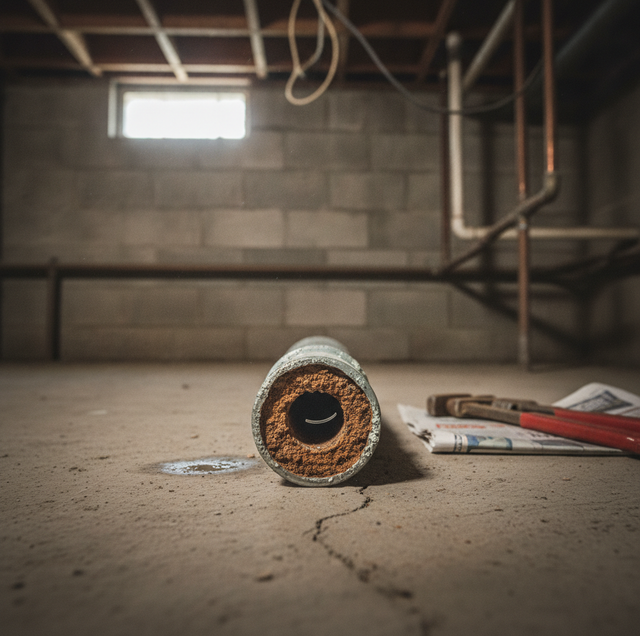
What Causes Low Water Pressure in an Old House? 6 Culprits
If the shower upstairs has slowed to a dribble while the kitchen sink downstairs still runs fine, the house is telling you something. Water pressure that fades in an older home rarely comes from the street. Far more often, the trouble is inside the walls, in the pipes and valves that have been quietly aging since the place was built. Understanding what actually restricts the flow makes the difference between chasing the wrong fix and solving the real one.
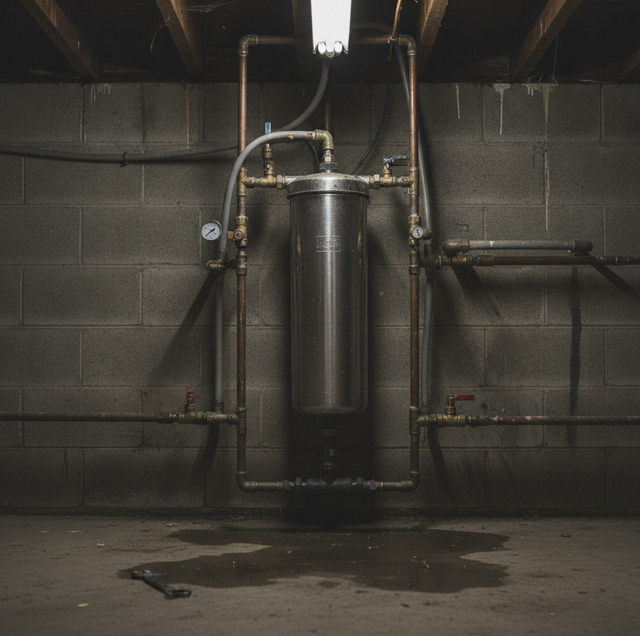
What a Whole-House Water Filter Actually Does for Every Tap
You turn on the kitchen faucet, and the water looks a little cloudy. The shower has a faint chlorine smell. Fine grit is collecting in the aerator screens. A whole-house filter is often proposed as the fix, but it helps to know what the equipment does before you decide whether it solves the problem you have. The short version: it cleans the water once, at the front door, so everything downstream runs cleaner. The longer version depends entirely on what is inside the tank.
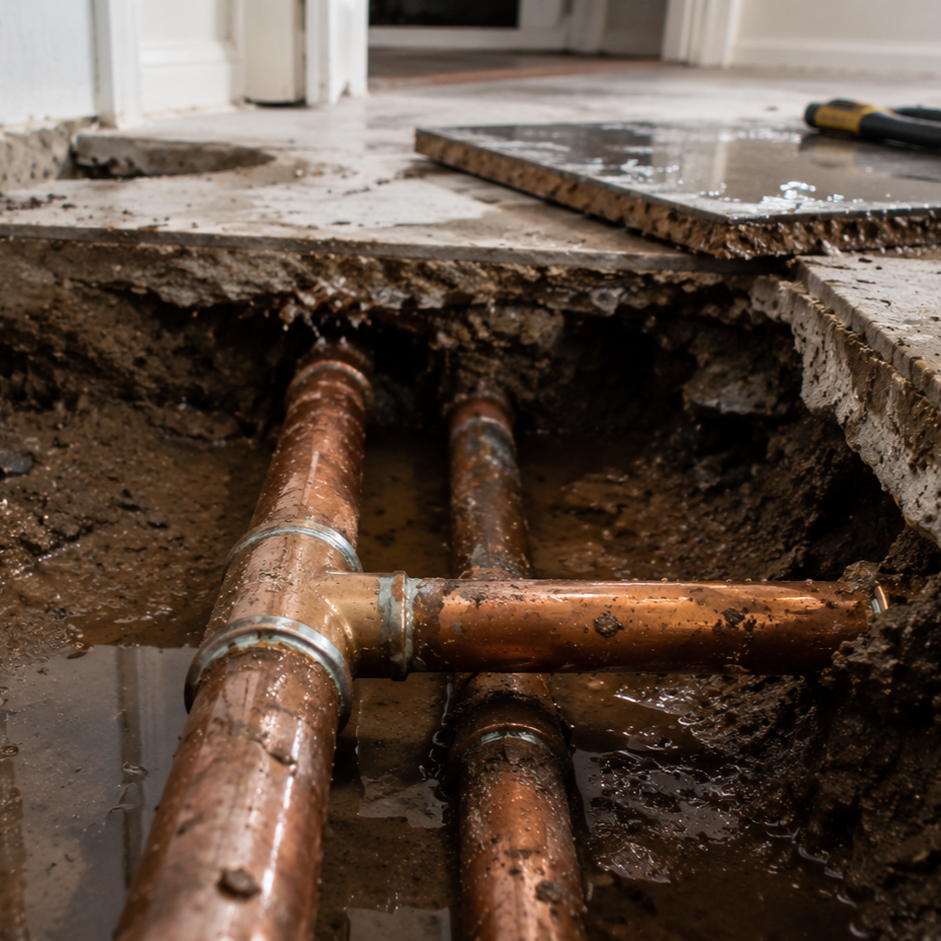
Why Slab Leaks Are More Common in Older Apartment Buildings
A slab leak is a failure in one of the water supply or drain lines running beneath a building's concrete foundation. In apartment construction, plumbing gets cast directly into or beneath the slab during the pour.