
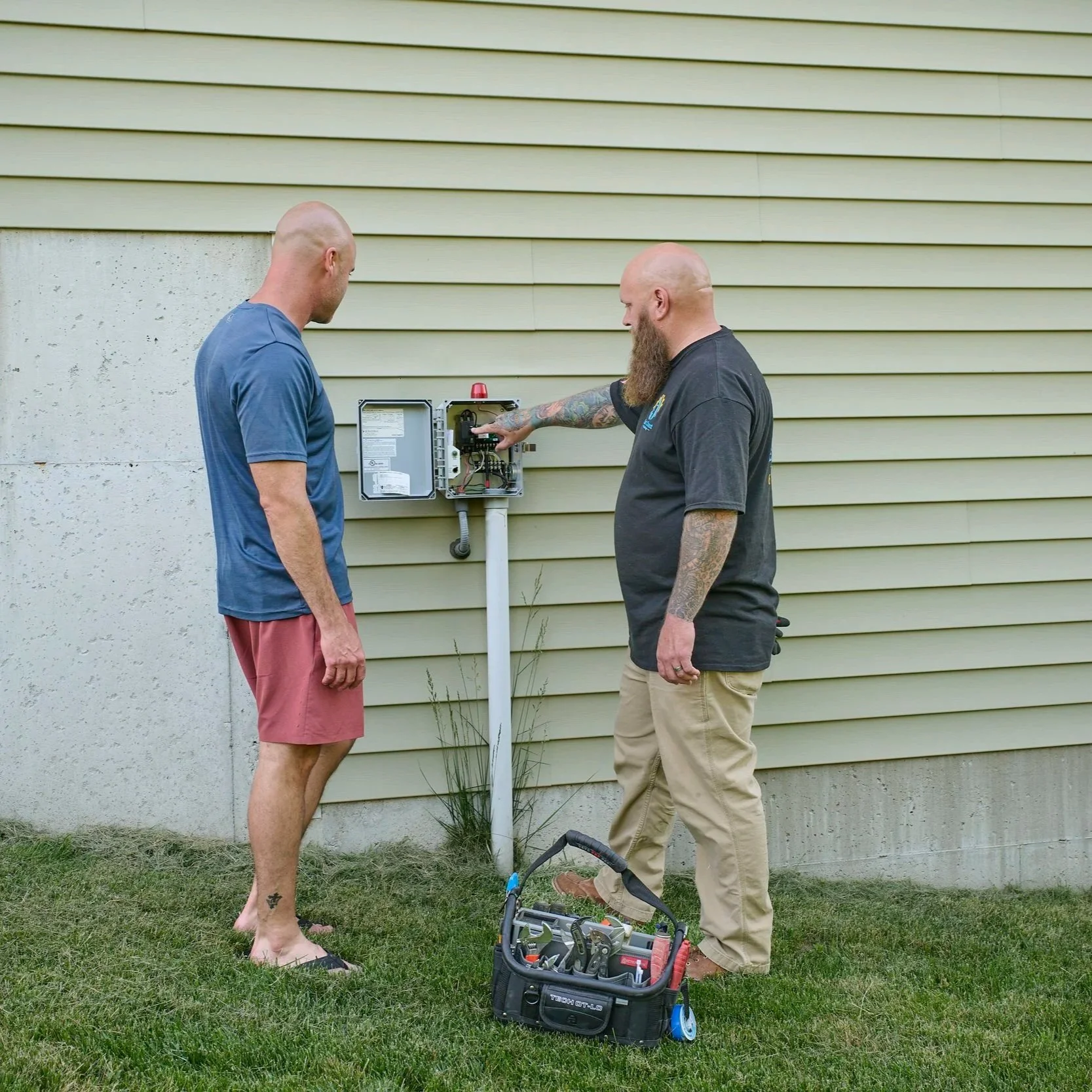
When making updates to your plumbing system, it's important to follow local plumbing codes to make sure everything is installed safely, efficiently, and in compliance with Pennsylvania law.
Plumbing code compliance is crucial for homeowners and businesses in Pennsylvania, especially when undergoing renovation projects. When making updates to your plumbing system, it's important to follow local plumbing codes to make sure everything is installed safely, efficiently, and in compliance with Pennsylvania law. In this post, we'll dive into the importance of plumbing code compliance checks, what they involve, and how they can prevent costly issues in the future.
Why Plumbing Code Compliance Matters in Renovations
When you undertake a renovation project, you're making significant changes to your property's infrastructure. In Pennsylvania, plumbing codes exist to confirm that the systems you install meet safety and performance standards. Whether you're updating your bathroom, installing a new water heater, or adding a kitchen sink, complying with local plumbing codes is essential to avoid problems down the line.
Over time, plumbing systems can wear down, especially in older homes. If you're renovating an older property, plumbing issues may not be immediately visible, but they can cause major problems later if not properly addressed. Plumbing code compliance helps identify potential hazards or inefficiencies in your system before they become larger, more expensive problems. For example, an improperly vented drain could cause slow drainage, odor problems, or even sewage backups—none of which are easy or cheap to fix. Verifying compliance from the start means peace of mind, knowing that your home is safe and your plumbing system is operating as it should.
The Risks of Skipping Code Compliance Checks
While it might be tempting to cut corners on your renovation, skipping plumbing code compliance checks can lead to serious risks. Ignoring these checks can result in safety hazards, costly repairs, and even legal consequences. In the worst-case scenario, improper plumbing work could cause water damage, mold growth, or structural damage to your home, resulting in expensive repairs that far exceed the cost of code-compliant work.
Additionally, if your plumbing work doesn't meet the required codes, you may be required to tear out the non-compliant sections of the renovation. This not only wastes time but also adds unnecessary costs to your project. Even if the local authorities don't immediately catch non-compliant plumbing, issues can arise during future inspections or when you decide to sell your home. Potential buyers may require you to make costly repairs to bring the plumbing up to code, or worse, your home could fail the inspection entirely.
How Plumbing Code Compliance Checks Work
In Pennsylvania, plumbing code compliance checks are part of the permitting process for renovation projects. These checks are conducted by a licensed inspector who ensures that the plumbing work complies with local building codes. For example, the Pennsylvania Uniform Construction Code (UCC) outlines specific requirements for pipe sizing, water supply, venting, and drainage systems. During the inspection, the plumber or contractor will verify that all systems are correctly installed in accordance with these guidelines.
Typically, plumbing code compliance checks occur at various stages of the renovation process. The first check is often done after the rough plumbing is installed but before any walls are closed up or finishes are applied. This is the most critical time for compliance, as it allows the inspector to examine the plumbing installation before it's hidden behind drywall or tiles. If the work passes this inspection, the project can move forward. However, if any violations are found, corrections must be made before proceeding.
Common Plumbing Code Violations in Renovations
Many homeowners are unaware of common plumbing code violations that can occur during renovations. One of the most frequent issues is improper pipe sizing. If the pipes are too small for the amount of water they need to carry, it can result in poor water pressure or blocked drains. Another common problem is the improper installation of vent pipes. Without proper venting, drains may struggle to function, and air pressure within the pipes can cause water to flow incorrectly.
Another potential violation is the use of outdated or unapproved materials. For instance, some older homes may still have polybutylene piping, which is no longer accepted under modern plumbing codes due to its susceptibility to cracking. Failing to replace such materials during a renovation could result in serious plumbing failures down the road.
Why You Should Work with a Licensed Professional
While it might be tempting to take on plumbing tasks yourself during a renovation, working with a licensed plumbing professional is the best way to guarantee code compliance. A licensed plumber is familiar with the specific requirements of Pennsylvania plumbing codes and can navigate the complexities of plumbing installation. They can confirm everything is installed properly, reducing the risk of costly mistakes later.
Hiring a licensed plumber also helps verify that your plumbing system is efficient, functional, and safe. These professionals can identify any issues that might otherwise go unnoticed and correct them before they become significant problems. Moreover, a licensed plumber will handle the permitting and arrange the necessary inspections, making the entire renovation process smoother and more straightforward.
How Plumbing Code Compliance Affects Your Project Timeline
Following plumbing codes and getting the necessary compliance checks can actually save time in the long run. When you take shortcuts or skip over inspections, it can lead to delays down the road. If plumbing work is found to be non-compliant, it can halt your renovation, forcing you to tear out sections of the work and redo it. This not only adds time to your project but also increases costs.
By following the proper plumbing code-compliance steps from the start, you confirm everything moves smoothly. Your plumber will be able to proceed with confidence, knowing that all the work will pass inspection and that the process will be much quicker overall. It's important to understand that the time spent on compliance checks now can ultimately save you time, money, and stress in the future.
The Long-Term Benefits of Plumbing Code Compliance
While plumbing code compliance is required for renovations, it also offers long-term benefits. For one, it gives you peace of mind knowing that your home's plumbing system is safe and functioning correctly. When you follow building codes, you also minimize the risk of issues that could arise down the road, such as water damage, mold, or system failures.
In addition, proper code compliance increases your property's value. Homebuyers are more likely to purchase a property with up-to-date plumbing that meets current codes because it reduces their own renovation and repair costs. If you ever decide to sell your home, you'll have an easier time attracting buyers if they know that the plumbing system is safe, efficient, and up to code. It's a smart, long-term investment in your property's value and integrity.
The Role of Local Authorities and Inspections in Code Compliance
In Pennsylvania, municipalities are responsible for enforcing plumbing codes, and each municipality may have slightly different requirements based on local conditions. When applying for permits for your renovation, be sure to check with your local building department for any specific plumbing requirements that may apply to your area.
During inspections, local authorities will review the work your plumbing contractor has done and ensure it complies with the code. If your contractor fails to meet the required standards, the local authorities will require corrections before the project can move forward. Depending on the severity of the violation, you might even be forced to tear down sections of the work, resulting in delays and additional costs. Staying on top of plumbing code compliance from the beginning helps avoid these potential setbacks.
Common Misconceptions About Plumbing Code Compliance
Many homeowners mistakenly believe that plumbing code compliance is only necessary for large-scale renovations or new constructions. In fact, even small renovations, such as replacing fixtures or adding a new faucet, must comply with local codes. Some people also think that they can bypass inspections or get away with minor violations. However, cutting corners or failing to address code violations can lead to long-term consequences, including safety hazards and legal issues.
Another misconception is that plumbing code checks are only about meeting regulations—when, in fact, they are meant to improve your home's plumbing system. Adhering to plumbing codes isn't just about following the law; it's about ensuring your home's plumbing operates safely and efficiently for the long term.
Hiring the Right Professional for Plumbing Code Compliance Checks
To guarantee your renovation project complies with Pennsylvania's plumbing codes, it's crucial to hire a licensed plumbing contractor with experience in code compliance. Not only will they be familiar with the required codes, but they will also be equipped to handle any potential concerns that might arise during the renovation process.
A reputable plumbing professional will handle all aspects of the compliance process for you. They will secure the necessary permits, complete the required inspections, and ensure the work complies with local regulations. You can trust them to catch any issues before they become a problem, keeping your renovation project on track and your plumbing system in top shape.
Plumbing Code Issues Can Stop Your Project Cold — Read This First
What happens if plumbing code violations are discovered during an inspection?
If plumbing code violations are discovered during an inspection, the contractor or plumber will be required to correct the issues before proceeding with the project. In some cases, the work may need to be torn out and redone to meet compliance, which can result in delays and additional costs.
Do small plumbing renovations need to comply with Pennsylvania building codes?
Yes, even small plumbing renovations—such as replacing fixtures, installing new faucets, or upgrading a sink—must comply with Pennsylvania's local building codes. It's important to follow these regulations to avoid potential problems and confirm that your plumbing system functions safely and efficiently.
How can plumbing code compliance affect my home's value?
Proper plumbing code compliance can increase your home's value by making sure the plumbing system is safe, efficient, and up to modern standards. Homebuyers are more likely to be attracted to properties with compliant plumbing, as it reduces the risk of future repairs or replacements.
Are plumbing code compliance checks necessary for every renovation project?
Yes, plumbing code compliance checks are necessary for most renovation projects in Pennsylvania, especially when the plumbing system is being altered. These checks verify that all work is performed in accordance with local regulations, helping prevent safety hazards, water damage, and long-term issues.
Can I skip plumbing inspections if I trust my contractor?
Even if you trust your contractor, plumbing inspections should never be skipped. Inspections verify that all work meets local codes and regulations. Skipping this step could lead to future plumbing issues, costly repairs, or even legal consequences if your work is found to be non-compliant.
East Coast Plumbing delivers comprehensive plumbing services across Montgomery, Bucks, Berks, and Lehigh Counties, PA, covering bathroom plumbing, kitchen plumbing, and plumbing fixture replacement and repairs. Our experienced, licensed professionals handle plumbing systems with a focus on fast response times, quality workmanship, and lasting results. From urgent plumbing repairs to complete fixture upgrades, we offer 24/7 availability and trusted service. Book your plumbing service today and get reliable solutions when you need them most.