
Utility Sink Installation for PA Basements and Garages
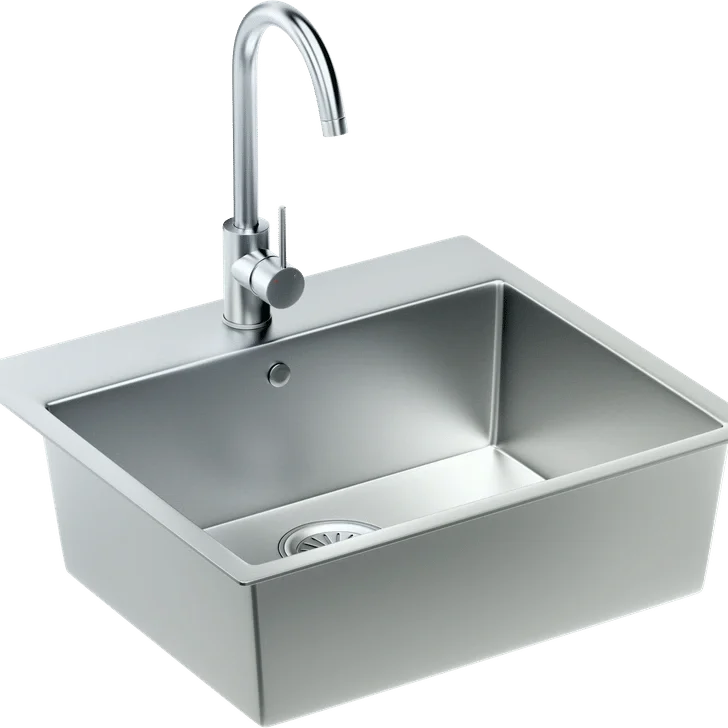
Utility sink installation requires careful planning to deliver long-term reliability rather than short-term convenience.
Basements and garages across Pennsylvania tend to become the hardest-working spaces in a home, even though they rarely receive the same attention as kitchens or bathrooms. These areas handle laundry overflow, messy projects, pet care, gardening cleanup, and seasonal chores that do not belong near finished living spaces. A utility sink often becomes the quiet workhorse that makes all of those tasks manageable. Utility sink installation has grown in popularity because homeowners want durable, functional solutions that handle real mess without damaging finished areas of the home. When installed correctly, a utility sink transforms a basement or garage from a rough storage zone into a practical extension of the household plumbing system.
Many homeowners initially think of a utility sink as a simple basin attached to a drain, but real-world use tells a different story. Poor placement, undersized drains, and incorrect venting can turn a helpful fixture into a constant source of frustration. Standing water, slow drainage, and splashing onto nearby walls often result from shortcuts taken during installation. In Pennsylvania, homes, especially older ones, often have basements and garages that present unique plumbing challenges related to elevation, drainage routing, and cold-weather exposure. Utility sink installation requires careful planning to deliver long-term reliability rather than short-term convenience.
Why Basements And Garages Demand A Different Approach
Basements and garages operate under different conditions than kitchens or bathrooms, and utility sink installation must reflect those differences. These spaces often sit below the main sewer line, which affects drainage behavior and venting options. In many Pennsylvania homes, basement plumbing relies on ejector pumps or specialized drainage solutions to move water upward into the sewer system. Ignoring those constraints leads to sinks that drain slowly or back up during heavy use.
Garages introduce their own challenges. Concrete floors limit access to existing drain lines, and temperature fluctuations place stress on pipes and fixtures. A utility sink installed without considering freeze risk can crack or leak during the winter months. Homeowners who rush installation without understanding these environmental factors often discover problems only after damage appears. Proper planning accounts for space usage, pipe routing, and long-term durability rather than focusing only on immediate convenience.
Choosing The Right Sink For Real Work
Not all utility sinks perform equally, and material choice matters more than many homeowners expect. Lightweight plastic basins may look adequate on the shelf, yet they flex under heavy use and stain easily. Metal sinks handle abuse better but require secure mounting to prevent vibration and noise. Composite sinks offer durability but vary widely in quality depending on the manufacturer.
Utility sink installation should match the tasks the sink will handle. Pennsylvania homeowners using sinks for gardening cleanup, paint rinsing, or pet washing benefit from deeper basins and reinforced construction. Shallow sinks splash water onto surrounding surfaces, creating moisture issues in basements and garages. Over time, that moisture damages drywall, framing, and stored items. Selecting a sink designed for heavy-duty use prevents those secondary problems and extends the life of the installation.
Placement That Actually Makes Sense
Placement decisions often separate successful installations from frustrating ones. Many homeowners choose sink locations based on proximity to existing pipes rather than workflow. A sink tucked into a corner behind storage shelves rarely sees regular use. Utility sink installation works best when the sink sits where messy tasks naturally occur.
In Pennsylvania, basements and laundry areas often dictate placement. Installing the sink near the washers makes pre-rinsing and cleanup easy. In garages, placement near entry doors supports gardening and outdoor cleanup tasks. Thoughtful placement reduces splashing, hose stretching, and awkward movement. Over time, a well-placed sink becomes a natural part of daily routines rather than an afterthought used only occasionally.
Drainage Capacity And Why It Matters More Than You Think
Drain size and configuration play a major role in long-term performance. Many utility sinks handle heavier solids, lint, dirt, and debris than bathroom sinks ever encounter. Undersized drains clog quickly, leading to standing water and unpleasant odors. Utility sink installation requires drain piping that accommodates real-world waste without constant maintenance.
Pennsylvania homes with older plumbing systems often struggle when new fixtures increase demand. A utility sink tied into undersized or aging drain lines creates slow drainage throughout the system. Over time, repeated backups strain joints and seals. Proper drain sizing and routing protect both the sink and the broader plumbing network, preventing cascading problems that affect multiple fixtures.
Ventilation And Airflow Inside The Drain System
Ventilation remains one of the most overlooked aspects of utility sink installation. Without proper venting, sinks drain poorly and release sewer gases into basements or garages. Homeowners sometimes assume that nearby fixtures share venting, but that assumption is often incorrect.
In Pennsylvania basements, vent routing can become complicated due to finished ceilings or limited wall access. Skipping proper venting causes traps to siphon dry, allowing odors to escape. Over time, persistent moisture and odor issues make the space unpleasant to use. Professional installation evaluates venting options carefully, preserving airflow and maintaining trap seals for long-term comfort and safety.
Water Supply Considerations In Unfinished Spaces
Water supply lines in basements and garages are subject to different stresses than those in finished rooms. Temperature swings cause expansion and contraction that stress fittings. Exposed pipes risk freezing during cold Pennsylvania winters if insulation or placement falls short.
Utility sink installation must account for these risks through material choice and routing. PEX offers flexibility and freeze resistance, while copper requires thoughtful placement and insulation. Improperly routed supply lines, cracked fittings, or bursts during cold snaps cause damage that spreads beyond the sink area. Careful planning protects against seasonal risks and reduces emergency repair calls.
Supporting Fixtures And Faucet Selection
Faucets matter just as much as sinks in utility installations. Standard bathroom faucets lack the reach and durability required for utility tasks. Short spouts limit usability, forcing awkward positioning during rinsing or filling buckets.
Utility sink installation benefits from faucets with high arcs, swivel spouts, or hose attachments. These features support cleaning tasks and reduce splashing. In Pennsylvania garages, frost-proof or shut-off-equipped faucets protect against winter damage. Selecting fixtures designed for heavy use prevents premature wear and constant dripping that frustrates homeowners over time.
Protecting Floors And Surrounding Surfaces
Water inevitably escapes utility sinks during heavy use. Protecting surrounding surfaces prevents long-term damage. Concrete floors handle moisture better than finished surfaces, yet repeated exposure still causes staining and deterioration.
Utility sink installation should include splash protection through wall panels, backsplashes, or sealed surfaces. In basements with drywall, water damage appears quickly if protection falls short. Pennsylvania homeowners who invest in proper surface protection avoid mold growth and material degradation. Over time, these preventative measures save significant repair costs and preserve space.
Managing Wastewater in Below-Grade Installations
Below-grade installations introduce unique wastewater challenges. Basements often sit below sewer level, requiring pumps or alternative drainage solutions. Utility sink installation without accounting for elevation leads to slow drainage or backups during heavy use. Ejector pumps, lift stations, and dedicated drain lines support reliable operation in these scenarios. Skipping proper wastewater management strains existing systems and increases the risk of failure. Pennsylvania homes with older infrastructure benefit from upgrades that support modern usage demands. Proper planning prevents surprise backups and protects finished areas above the basement.
Long-Term Wear And Maintenance Expectations
Utility sinks experience heavier wear than most household fixtures. Dirt, chemicals, and debris accelerate deterioration if materials fall short. Homeowners sometimes underestimate how aggressively these sinks get used over time. A utility sink installation that prioritizes durability reduces maintenance frequency. Reinforced connections, quality traps, and accessible cleanouts simplify upkeep. Pennsylvania homeowners appreciate installations that require minimal attention beyond basic cleaning. Over the years, durable setups outperform budget solutions that require frequent repairs or replacements.
Garage Specific Considerations For Utility Sinks
Garage environments differ significantly from basements, even though homeowners often treat them as interchangeable utility spaces. Vehicles, lawn equipment, and outdoor tools introduce oils, solvents, road salt residue, and heavy debris that never appear in laundry areas. Utility sink installation in a garage must account for the regular flow of materials through the drain system. Standard traps and lightweight drain components clog quickly when exposed to grease, sediment, and fine grit. Over time, buildup restricts flow and creates odors that linger in enclosed garage spaces. Selecting heavier-duty traps and smooth interior piping helps wastewater move efficiently without constant cleaning.
Environmental factors also shape the long-term performance of garage sinks. Garages experience wider temperature swings than most basements, which affects seals, fittings, and supply lines. In Pennsylvania, winter cold followed by rapid warming stresses connections repeatedly. Utility sink installation should include thoughtful pipe routing, insulation, and access for shut-off valves to reduce seasonal damage risk. Local regulations also play a role. Some municipalities require oil separators or restrict certain garage wastewater from entering the sewer system. Understanding these expectations during installation prevents compliance issues and avoids costly corrections later. A garage sink that respects both environmental and regulatory realities remains reliable rather than becoming a liability.
Planning For Future Needs
Many homeowners approach utility sink installation with only current needs in mind, focusing on immediate tasks such as laundry overflow or gardening cleanup. That narrow view often limits long-term usefulness. Household demands evolve steadily over time. Children grow into teenagers with hobbies that create a mess. Home maintenance responsibilities increase. New interests, such as woodworking, auto detailing, or pet care, can lead to increased sink use. An installation designed solely for today’s needs may feel inadequate within a few years.
Future-focused planning improves longevity and value. Leaving additional clearance around the sink allows for larger projects and easier access later. Choosing faucets with adaptable features, such as hose connections or extended reach, supports a wider range of tasks as needs change. Drainage capacity also matters. A sink that handles heavier debris today avoids upgrades tomorrow. Pennsylvania homeowners benefit from utility sink installations that anticipate change rather than react to it. Planning reduces renovation fatigue, prevents repeat expenses, and creates a space that continues serving the household effectively as lifestyles shift and demands grow.
Act Now: Essential Answers Before Installing a Utility Sink
What makes utility sink installation different from bathroom sink installation?
Utility sinks handle heavier use, larger debris, and more aggressive cleaning tasks. Installation requires larger drains, stronger materials, and careful placement. Bathroom sinks do not face the same demands or environmental conditions.
Can a utility sink be installed in any Pennsylvania basement?
Most basements can accommodate utility sink installation, but drainage elevation and venting must be evaluated. Some homes require pumps or special routing to support proper drainage. Professional assessment determines the best approach.
Are utility sinks in garages exposed to freezing risk?
Garage sinks face a higher freezing risk due to temperature swings. Proper pipe insulation, shut-off valves, and fixture selection reduce damage risk. Planning for winter conditions protects the installation long-term.
Do utility sinks need special permits in Pennsylvania?
Permit requirements vary by municipality and installation scope. Tying into existing plumbing or adding pumps may trigger permit needs. Checking local requirements prevents compliance issues.
How long does a properly installed utility sink typically last?
A well-planned utility sink installation using durable materials can last many years with minimal maintenance. Longevity depends on usage patterns, material quality, and environmental conditions.
East Coast Plumbing delivers comprehensive plumbing services across Montgomery, Bucks, Berks, and Lehigh Counties, PA, covering bathroom plumbing, kitchen plumbing, and plumbing fixture replacement and repairs. Our experienced, licensed professionals handle plumbing systems with a focus on fast response times, quality workmanship, and lasting results. From urgent plumbing repairs to complete fixture upgrades, we offer 24/7 availability and trusted service. Book your plumbing service today and get reliable solutions when you need them most.