
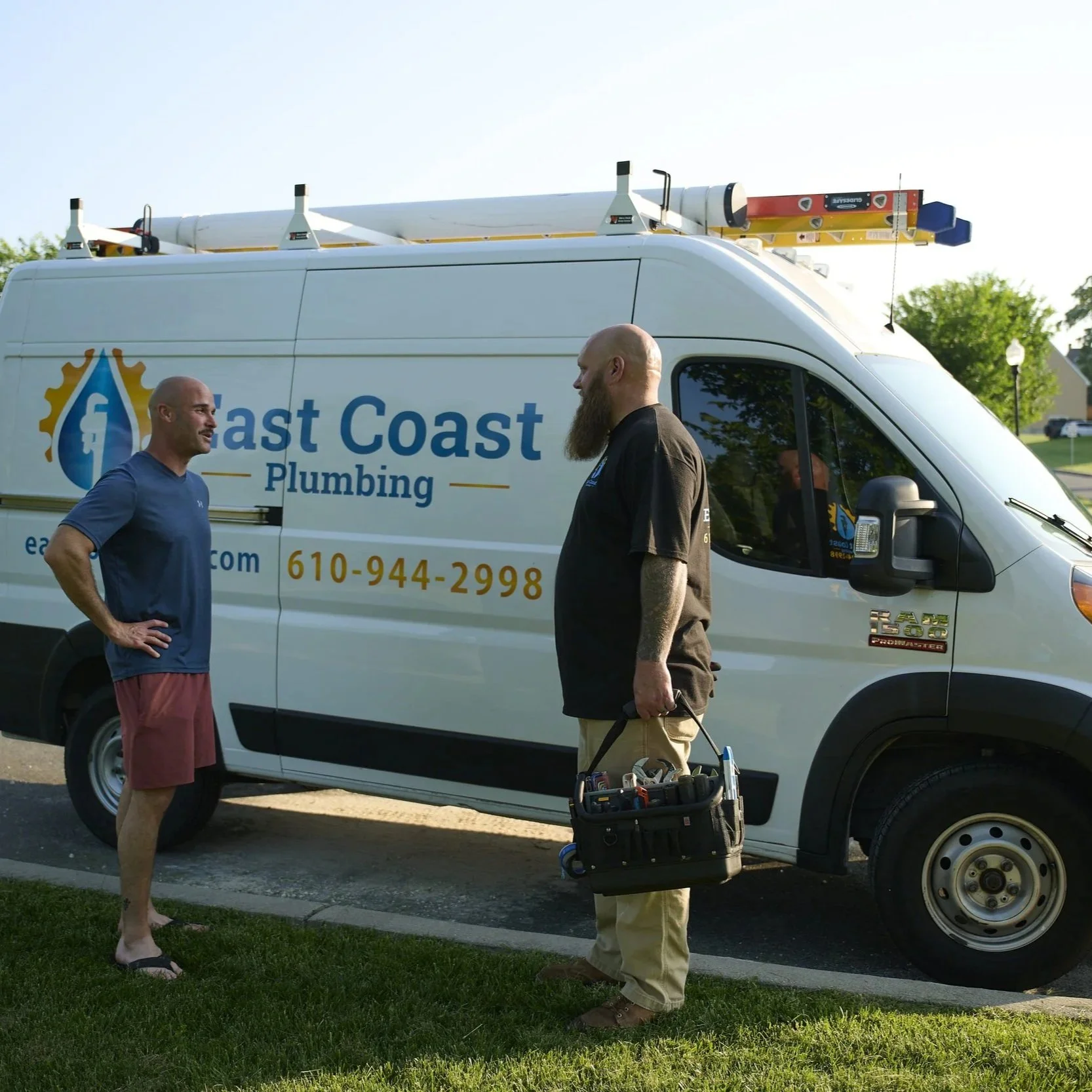
Professional services combine cutting-edge technology, thorough inspections, and safety protocols to keep properties and occupants safe and secure.
Gas leaks in homes and businesses present serious risks that no one wants to face. A subtle hissing sound or faint smell of sulfur compounds signals a potential hazard that demands swift action from experts trained in gas line plumbing and leak detection. Licensed plumbers, equipped with specialized equipment and diagnostic skills, provide ease by quickly and accurately identifying problems, thereby preventing dangerous situations from escalating. Professional services combine cutting-edge technology, thorough inspections, and safety protocols to keep properties and occupants safe and secure.
How Gas Leaks Develop And Why They Demand Immediate Attention
Gas lines carry highly combustible natural gas or propane through pipes that run beneath floors, inside walls, or outdoors. Over time, pipes may corrode, joints might loosen, or accidental damage from construction can create invisible cracks. Even the tiniest leak releases gas into the environment, increasing the risk of fire, explosion, or carbon monoxide poisoning.
Detecting a gas leak early stops small issues from turning into catastrophic emergencies. The lingering smell of rotten eggs—the common odorant added to natural gas—often provides the first warning. Licensed plumbers trained in gas leak detection know how to identify less obvious leaks that evade human senses using advanced tools. Prompt diagnostics pinpoint exact leak locations, assess severity, and guide repair strategies, saving lives and property.
The Science Behind Professional Gas Leak Detection
Specialized instruments make gas leak detection more reliable than relying on sniff tests or guesswork. Electronic gas detectors use sensors calibrated to detect even trace amounts of combustible gas in the air. When the device’s sensor encounters elevated gas levels, it emits audible alerts and displays readings, helping plumbers track leaks through walls or underground.
Infrared cameras provide visual confirmation by detecting temperature differences caused by escaping gas. Ultrasonic leak detectors pick up sound waves generated by high-pressure gas escaping through tiny cracks. Pressure testing and smoke testing also help reveal leaks that are invisible to the naked eye.
Licensed plumbers apply a combination of these diagnostic tools, along with their expertise, to comprehensively map out gas line conditions. Such thoroughness prevents missed leaks that could later develop into safety threats.
Why Licensed Plumbers Make All The Difference In Gas Leak Diagnostics
Gas line plumbing involves handling highly flammable substances under pressure. Attempting repairs without proper licensing and training risks worsening leaks, causing accidental ignition, or violating local safety codes. Licensed plumbers undergo rigorous education and certification to understand gas chemistry, plumbing codes, and emergency protocols.
Professionals carry insurance and bonding that help protect homeowners and businesses from liability in the event of accidents that occur during repair or detection. Their expertise extends beyond leak detection to safely managing shutoff valves, venting, and pressure regulation. Experienced plumbers navigate tricky access points and challenging layouts with minimal disruption to daily life.
Licensed technicians follow strict safety checklists, wearing protective gear and employing ventilation when required. Professional service combines efficiency with comprehensive care, leaving customers confident that gas systems meet all safety standards after repair.
Repair And Replacement Strategies Tailored To Each Leak
Repairing gas leaks requires pinpoint accuracy and durable materials. Small leaks may be repaired with patching or sealing using specialized compounds designed for gas pipes. Larger cracks or corroded sections require pipe replacement with high-quality steel or flexible, gas-rated tubing. Licensed plumbers evaluate the age of pipes, the condition of materials, and local regulations before recommending repair versus replacement.
Replacement jobs involve cutting out damaged pipe segments and installing new sections with tight, leak-proof fittings. Plumbers pressure-test all work to confirm repairs hold under operational conditions. Professionals also inspect related components, such as regulators, meters, and connectors, for wear or malfunction, and recommend upgrades if necessary.
Professional teams coordinate with utility companies to manage gas shutoffs during repairs, verifying the safety of occupants and minimizing downtime. Meticulous cleanup and post-repair inspections complete each project with a focus on lasting safety and performance.
How Fast Response To Gas Leak Warnings Protects Health And Property
Delays in addressing suspected gas leaks allow gas accumulation, increasing the risk of explosion and prolonged exposure to toxic gases like carbon monoxide. Licensed plumbers respond rapidly to service calls, sometimes offering emergency services around the clock. Early intervention limits potential damage to building materials, electronics, and furnishings.
Rapid gas diagnostics reduce homeowner stress by clarifying situations quickly and preventing unnecessary evacuations. Professionals provide clear communication about repair options, timelines, and safety measures, building trust through transparency and expertise. Their ability to act decisively separates minor leaks from major disasters.
Routine Gas Line Inspections Prevent Future Leaks
Periodic inspection of gas line plumbing offers proactive protection against leaks before they escalate. Licensed plumbers assess the integrity of pipes, detect corrosion, evaluate the tightness of fittings, and test pressure systems during maintenance visits. Such routine diagnostics identify wear patterns and anticipate necessary repairs, allowing clients to plan their budgets and avoid unexpected emergency costs.
Technicians educate homeowners and business operators about signs of gas leaks, proper ventilation practices, and when to call for service. Professional inspections keep gas systems in prime condition, extending their lifespan and maintaining safety.
How Technology Advances Make Gas Leak Detection Safer And Smarter
Modern gas leak diagnostics embrace innovation to improve accuracy and efficiency. Wireless sensor networks installed throughout buildings continuously monitor gas levels, alerting property managers and emergency responders instantly if abnormal readings are detected. Smart gas detectors integrate with home automation, sending notifications directly to smartphones for immediate action.
Drones equipped with gas sensors inspect outdoor pipelines and hard-to-reach areas, reducing risks for inspection personnel. Data analytics help predict problem spots by analyzing environmental and pipe condition trends, guiding preventive maintenance.
Licensed plumbers adapt quickly to emerging technologies, combining hands-on expertise with digital tools to deliver comprehensive gas leak detection and repair services.
Customer Experience With Professional Gas Leak Services
Trusting licensed plumbers with gas leak diagnostics brings a unique blend of professionalism and personable care. Friendly technicians explain complex procedures in clear, jargon-free language, answering questions with patience and good humor. Repair teams respect client properties by wearing shoe covers, minimizing noise, and thoroughly cleaning up.
The quirky side of gas leak detection is evident in anecdotes about hidden leaks behind wallpaper, squirrel-caused pipe damage, or false alarms triggered by overly sensitive smoke detectors. These moments create memorable service experiences, strengthening customer relationships through transparency and approachability.
Licensed plumbers provide detailed reports that outline diagnostic findings, repairs performed, and recommended follow-up actions. Such professionalism builds confidence that every aspect of the gas system operates safely and efficiently.
Why Professional Service Outshines DIY In Gas Leak Situations
Homeowners and business operators occasionally attempt amateur leak detection techniques, like using soapy water on pipes to spot bubbles or sniffing for odors. While these methods offer limited insight, they lack the precision, reliability, and safety that professional services provide. DIY approaches may overlook hidden leaks or create hazards by improperly disturbing gas lines.
Licensed plumbers carry specialized tools, personal protective equipment, and deep knowledge to diagnose leaks without endangering occupants or property. Professional repair prevents further damage and guarantees compliance with building codes and insurance requirements.
Hiring trained experts eliminates guesswork and anxiety associated with gas leak concerns, providing swift resolutions and long-term peace of mind.
Selecting The Right Licensed Plumber For Gas Leak Detection And Repair
Choosing a gas line plumbing expert involves verifying licensing, insurance, and positive customer reviews. Established businesses with experience handling residential and commercial gas leaks demonstrate commitment to safety and quality. Recommendations from local utility companies or trade organizations add credibility.
Licensed plumbers provide clear estimates before work begins and communicate openly throughout projects. They respect timelines and budgets while prioritizing safety over shortcuts. Customers appreciate service providers who combine technical excellence with friendly, quirky professionalism, turning a stressful gas leak situation into a manageable task.
Partnering with a trusted plumber transforms gas leak detection and diagnostics from a daunting problem into a manageable solution, offering confidence and a touch of humor.
The Vital Role Of Fast, Licensed Gas Leak Services
Gas leak detection and diagnostics remain critical components of home and business safety. Rapid response by licensed plumbers equipped with advanced technology saves lives, protects property, and prevents costly damage. Professional services handle gas systems with care, combining science, skill, and customer-focused communication.
Maintaining gas lines through routine inspections and timely repairs reduces the risk of leaks developing unnoticed. Embracing innovation in detection tools and smart monitoring further enhances protection. Trustworthy, licensed plumbers transform dangerous scenarios into solved problems, turning a potentially explosive issue into a story about professional expertise and quirky care delivered with a smile.
East Coast Plumbing offers a complete, one-stop solution for professional specialty plumbing services across Montgomery, Bucks, Berks, and Lehigh Counties, PA, including sump pump installation and repair services, sump pump replacement, battery backup sump pump installation, sump pump installation and maintenance, and gas line plumbing. Our experienced team services residential and commercial plumbing systems with a focus on efficient project execution, lasting repairs, and long-term performance. Schedule your plumbing service today and get reliable solutions built to last.