
What Commercial Plumbing Repairs Prevent in High-Traffic Facilities
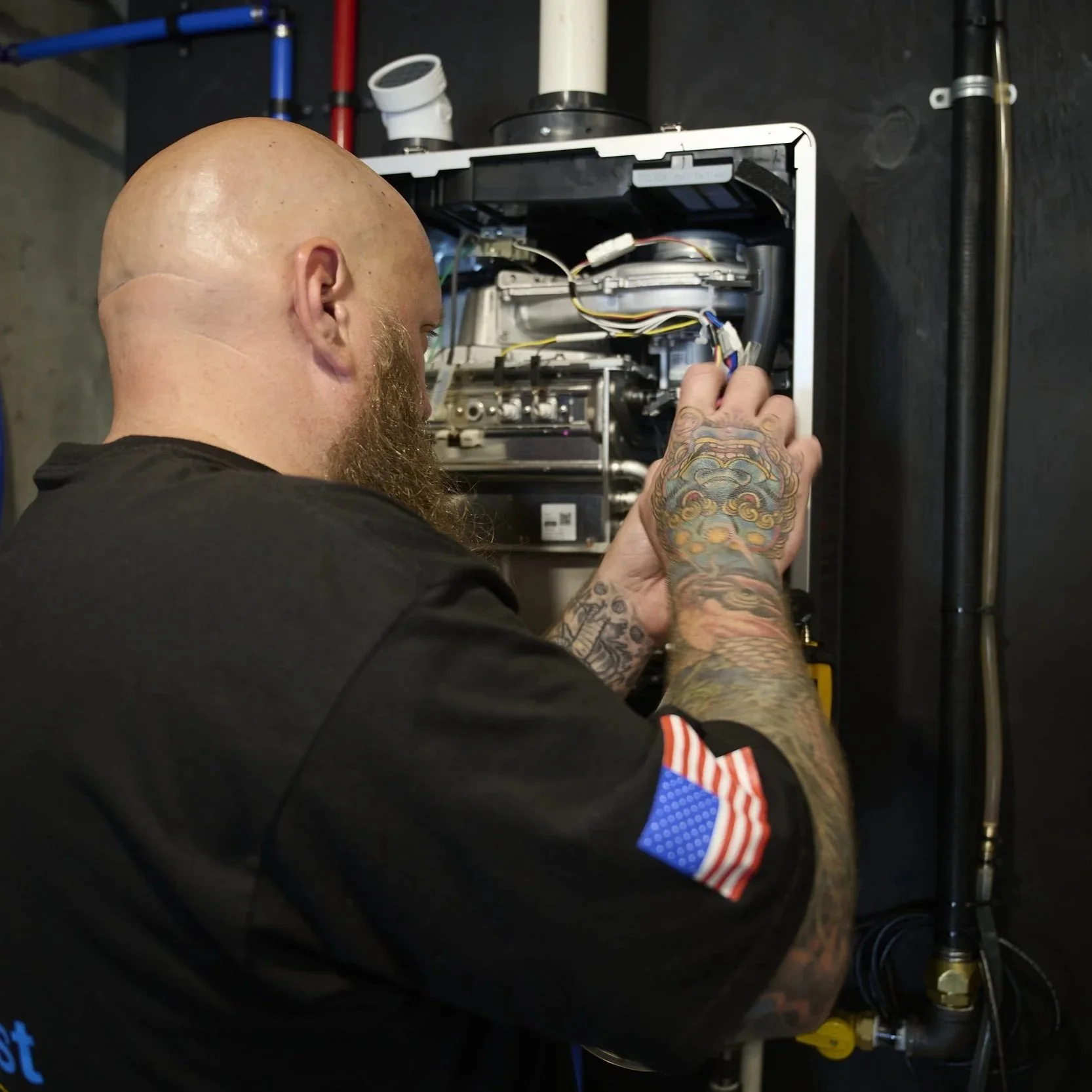
With so much use, even the most minor plumbing issue has a way of snowballing fast.
In high-traffic facilities, plumbing doesn’t take breaks. From the early hours of opening to the final flush of the day, pipes, fixtures, and drains carry a heavy load—literally and figuratively. With so much use, even the most minor plumbing issue has a way of snowballing fast. That slow drain? It could become a full-on backup. That leaky faucet? It might lead to water damage beneath the sink or worse.
Routine commercial plumbing repairs don’t just fix what’s broken—they prevent the breakdowns that shut things down, damage property, and disrupt daily operations. In buildings where people come and go constantly, preventive care verifies that water flows smoothly, restrooms remain open, and maintenance calls are kept low on the list of emergencies.
Stopping Disruptions Before They Start
No one likes a surprise out-of-order sign taped to the restroom door. In a busy facility, a single failed fixture can disrupt the flow for the entire building. Staff lose time redirecting people. Guests and employees deal with the inconvenience. In restaurants or retail, the experience takes a hit, affecting customer satisfaction and even revenue.
Regular repairs prevent those scenes from playing out. Toilets flush properly, sinks drain fast, and the water pressure stays consistent across every stall and fixture. The plumbing works without drawing attention, which is exactly how it should be.
Avoiding Property Damage From Leaks
A hidden leak behind a wall or under a sink might seem harmless at first. But in a commercial setting, that slow drip adds up. Moisture seeps into drywall, flooring, and cabinetry, leading to water damage, mold growth, and ultimately, costly repairs that extend far beyond the original issue.
Timely plumbing repairs stop that kind of mess from forming in the first place. Cracked seals, worn gaskets, and failing valves are caught early. Instead of spreading damage throughout the building, the fix stays small, neat, and budget-friendly.
Keeping Drains Flowing And Floors Dry
High foot traffic means heavy restroom use, frequent handwashing, and a lot of soap, grime, and debris moving through the pipes. Over time, even the best systems begin to slow down. Drains clog, floors pool with water, and unpleasant smells begin creeping in from the pipes.
Scheduled cleanouts and prompt repairs keep everything flowing as intended. Drain lines stay clear, traps remain functional, and floors stay dry. That creates a safer, cleaner environment—especially in public-facing facilities where first impressions matter.
Preventing Slip Hazards And Liability
Water on tile is a recipe for disaster in a busy space. A leaking pipe under a sink or a slow-draining fixture can lead to puddles, slippery surfaces, and an increased risk of falls. In commercial settings, one fall can quickly turn into a liability issue—and a pile of paperwork no one wants.
Commercial plumbing repairs help prevent those risks. By fixing leaks and drainage issues before they affect foot traffic areas, business owners protect both their patrons and their bottom line. It’s a simple step that keeps legal headaches and insurance claims out of the picture.
Maintaining Compliance And Avoiding Fines
Health codes, ADA requirements, and building regulations don’t take plumbing issues lightly. Faulty restrooms, inconsistent water temperatures, and non-functioning fixtures can trigger violations during inspections. In worst-case scenarios, businesses may face temporary shutdowns, fines, or have their operating permits revoked.
Commercial plumbing repairs play a key role in staying compliant. By addressing issues as they arise—before they’re flagged during an inspection—facilities remain in good standing with regulators and stay open without interruption.
Extending The Life Of Plumbing Fixtures
In high-use environments, wear is a given. Faucets, flush valves, water heaters, and pipes all experience more strain than they would in residential settings. But that doesn’t mean replacement should be the go-to solution every time.
Routine repairs and tune-ups extend the life of plumbing components. Small adjustments, part replacements, and recalibrations can extend the lifespan of fixtures by years, preventing early failure. That kind of care adds up to real savings—both in equipment and in labor.
Supporting Better Water Efficiency
Leaky toilets and dripping faucets aren’t just annoying—they’re expensive. In commercial buildings, those small leaks add up to thousands of gallons wasted every year. And with rising utility costs, that’s a leak right through the budget.
Plumbing repairs address inefficiencies that chip away at water bills month after month. Replacing old valves, fixing faulty sensors, and sealing leaks helps facilities manage consumption, conserve resources, and reduce their environmental impact without requiring changes to daily habits.
Minimizing Emergency Repair Costs
Emergency repairs rarely show up during quiet hours. They often occur during mid-shift, on weekends, or just before a major event. The costs are higher, the stress runs deeper, and the disruption is far greater. Plus, the fix usually takes longer because more damage has already been done.
Consistent commercial plumbing service reduces the chances of those emergencies. Problems are handled before they escalate. Pipes don’t burst unexpectedly, and toilets don’t overflow without warning. The building operates smoothly, and the maintenance schedule remains in control rather than being in crisis mode.
Keeping Everything Running In The Background
Plumbing should support the day, not interrupt it. Repairs handled on schedule, rather than in response to failure, create a seamless experience. Guests overlook the system because it works perfectly. Staff doesn’t need to call in extra help or mop up surprise puddles. Business continues, the facility functions, and the plumbing stays out of sight and out of mind.
In a world where every hour of downtime affects revenue and reputation, commercial plumbing repairs quietly protect both. They prevent the stress, avoid the damage, and keep everything flowing right where it should—behind the walls and beneath the floors, precisely as intended.
East Coast Plumbing offers a complete, one-stop solution for professional commercial plumbing services across Montgomery, Bucks, Berks, and Lehigh Counties, PA, including, commercial kitchen plumbing installation, commercial water heater installation, and commercial repiping services. Our experienced team services commercial plumbing systems with a focus on code compliance, operational efficiency, and long-term performance. Schedule your commercial plumbing service today and keep your business running smoothly.