
How to Prevent Frozen Pipes Before Winter Hits
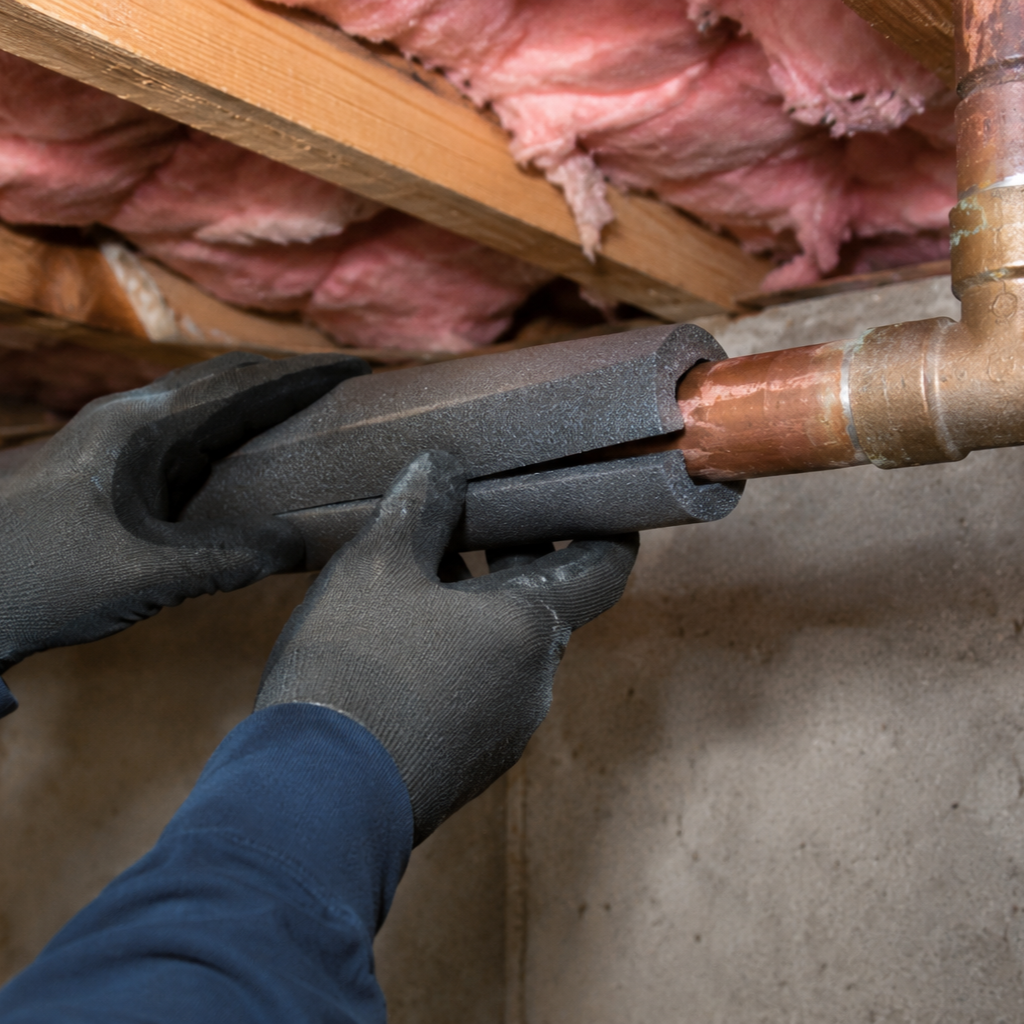
Quick Answer: To prevent frozen pipes in winter, insulate exposed pipes in unheated spaces, seal drafts and gaps near plumbing, keep your home heated (even when away, no lower than the mid-50s), open cabinet doors so warm air reaches pipes under sinks, let a faucet drip during deep freezes to relieve pressure and keep water moving, and disconnect and drain outdoor hoses and shut off exterior faucets before winter. These steps target the at-risk pipes in attics, basements, crawl spaces, garages, and exterior walls. A little prevention costs far less than a burst pipe and a flooded home.
A burst pipe can cause thousands of dollars in water damage, and the maddening part is how preventable it usually is. Frozen pipes happen to the same vulnerable spots every winter — and a handful of simple, low-cost steps keep them from freezing in the first place. In a Pennsylvania winter, getting ahead of the cold before and during freezes is far cheaper and easier than dealing with the aftermath of a burst. Here's how to protect your pipes.
Prevention Targets the Pipes Most Likely to Freeze
The pipes that freeze are the exposed ones in unheated or poorly insulated spaces — attics, basements, crawl spaces, garages, and along exterior walls — plus outdoor faucets. So prevention is really about protecting those specific vulnerable spots and keeping warmth and moving water in the system during a freeze. Every step below either insulates an at-risk pipe, keeps heat from reaching it, or relieves the pressure that can burst a pipe if ice forms. Done before the cold sets in, they make a freeze far less likely; done during a deep freeze, they help pipes ride it out.
Before Winter: Insulate and Seal
Insulate Exposed Pipes
The most direct step is insulating the pipes in unheated and exposed areas with pipe insulation (foam sleeves or wrap). Insulation slows heat loss from the pipe, helping the water inside stay above freezing. Focus on the vulnerable runs — basement, crawl space, attic, garage, and exterior walls — where pipes are most exposed to the cold.
Seal Drafts and Gaps
Cold air reaching pipes is what freezes them, so sealing the drafts, cracks, and gaps that let frigid air in near plumbing helps a lot. Seal around where pipes pass through walls, and close up gaps in unheated spaces where cold air flows in. Keeping the cold away from the pipes is half the battle.
Handle Outdoor Faucets and Hoses
Before the first freeze, disconnect, drain, and store garden hoses, and shut off and drain the water to outdoor faucets and hose bibs. Water left in an outdoor faucet or hose freezes and can burst the connected pipe. This is a simple, important fall task.
During the Cold: Heat, Air, and a Drip
Keep the Heat On
Keep your home heated through winter, and don't let the temperature drop too low, even when you're away — keeping it no lower than the mid-50s helps protect the pipes. If you travel during winter, resist turning the heat off entirely; the savings aren't worth a burst pipe.
Let Warm Air Reach the Pipes
Open the cabinet doors under sinks, especially on exterior walls, so the room's warm air can reach the pipes inside. Closed cabinets keep that warmth out, leaving the pipes colder. It's a small step that helps during a cold snap.
Let a Faucet Drip in Deep Cold
During a hard freeze, let a faucet drip slightly, especially one served by vulnerable pipes. Moving water is less likely to freeze, and, more importantly, an open faucet relieves the pressure that can burst a pipe if ice forms. A small, steady drip is cheap insurance during the coldest nights.
| Step | When | What it does |
|---|---|---|
| Insulate exposed pipes | Before winter | Slows heat loss, keeps water warmer |
| Seal drafts near plumbing | Before winter | Keeps frigid air away from pipes |
| Drain outdoor faucets/hoses | Before winter | Prevents freezing at exterior lines |
| Keep heat on (mid-50s min) | All winter | Keeps pipes above freezing |
| Open cabinet doors | During cold snaps | Lets warm air reach under-sink pipes |
| Let a faucet drip | During deep freezes | Relieves pressure, keeps water moving |
Know where your main water shut-off is before winter. If a pipe does freeze and burst despite prevention, shutting off the main fast is what limits the flooding — and fumbling to find the valve while water pours in is exactly the situation prevention is meant to avoid.
Why a Little Prevention Beats a Burst
The case for prevention is simple math: a few dollars of pipe insulation, a sealed draft, and a dripping faucet cost almost nothing next to the thousands in damage a single burst pipe can cause. A burst floods floors, walls, and belongings, often while no one's home to catch it. Because the vulnerable pipes are predictable — the same exposed, unheated spots every winter — protecting them ahead of time is simple and reliable. Spending a little effort before and during freezes to insulate, seal, heat, and relieve pressure keeps the water flowing and the pipes intact. It's one of the best returns in home maintenance: minor steps that prevent a major disaster.
Frequently Asked Questions
Target the vulnerable pipes and keep warmth and moving water. Insulate exposed pipes in unheated spaces, seal drafts and gaps that let cold air reach plumbing, keep your home heated (no lower than the mid-50s, even when away), open cabinet doors so warm air reaches under-sink pipes, let a faucet drip during deep freezes to relieve pressure, and drain outdoor faucets and hoses before winter. Done together, these steps make freezing far less likely in the spots most at risk.
During a hard freeze, yes — letting a faucet drip slightly, especially one served by vulnerable pipes, helps in two ways. Moving water is less likely to freeze, and more importantly, an open faucet relieves the pressure that actually causes a pipe to burst if ice forms inside it. It's a small, low-cost step worth taking on the coldest nights. A steady drip is cheap insurance against a far more expensive burst.
Keep the home heated through winter and don't let it drop too low, even when you're away — keeping it no lower than the mid-50s helps protect the pipes. It can be tempting to turn the heat way down or off while traveling to save money, but that risks a burst pipe, and the savings aren't worth the damage. Maintaining steady heat keeps the pipes, especially those near exterior walls and in unheated spaces, above freezing.
Yes. Before the first freeze, disconnect, drain, and store your garden hoses, and shut off and drain the water to outdoor faucets and hose bibs. Water left sitting in an outdoor faucet or a connected hose can freeze and burst the pipe behind it. It's a simple fall task that prevents a common winter pipe failure. Many homes have an interior shut-off for exterior faucets, which a plumber can show you if you're unsure.
The exposed ones in unheated or poorly insulated spaces: pipes in attics, basements, crawl spaces, and garages, those running along exterior walls, and outdoor faucets and hose bibs. These sit in or near the outdoor cold without enough warmth to stay above freezing. That's why prevention focuses on insulating those runs, sealing drafts near them, and keeping warm air and moving water from reaching them. Protecting the predictable vulnerable spots is what stops most frozen-pipe problems.
Protect the Pipes Before the Cold Hits
Preventing frozen pipes comes down to protecting the predictable vulnerable spots — exposed pipes in attics, basements, crawl spaces, garages, and exterior walls, plus outdoor faucets. Insulate those runs, seal the drafts that let cold air in, drain outdoor lines before winter, keep the heat on, open cabinets to let warmth reach under-sink pipes, and let a faucet drip in deep freezes to relieve pressure. These simple, low-cost steps cost a fraction of what a burst pipe and flooded home would. Get ahead of the cold, and your pipes ride out the winter intact.
Want to winter-proof your pipes before the cold? — Get vulnerable pipes insulated and protected by a licensed master plumber. East Coast Plumbing serves Barto, Boyertown, Pottstown. Call (610) 944-2998.
