
Kitchen Sink Installation Pitfalls in Montgomery County, PA Homes
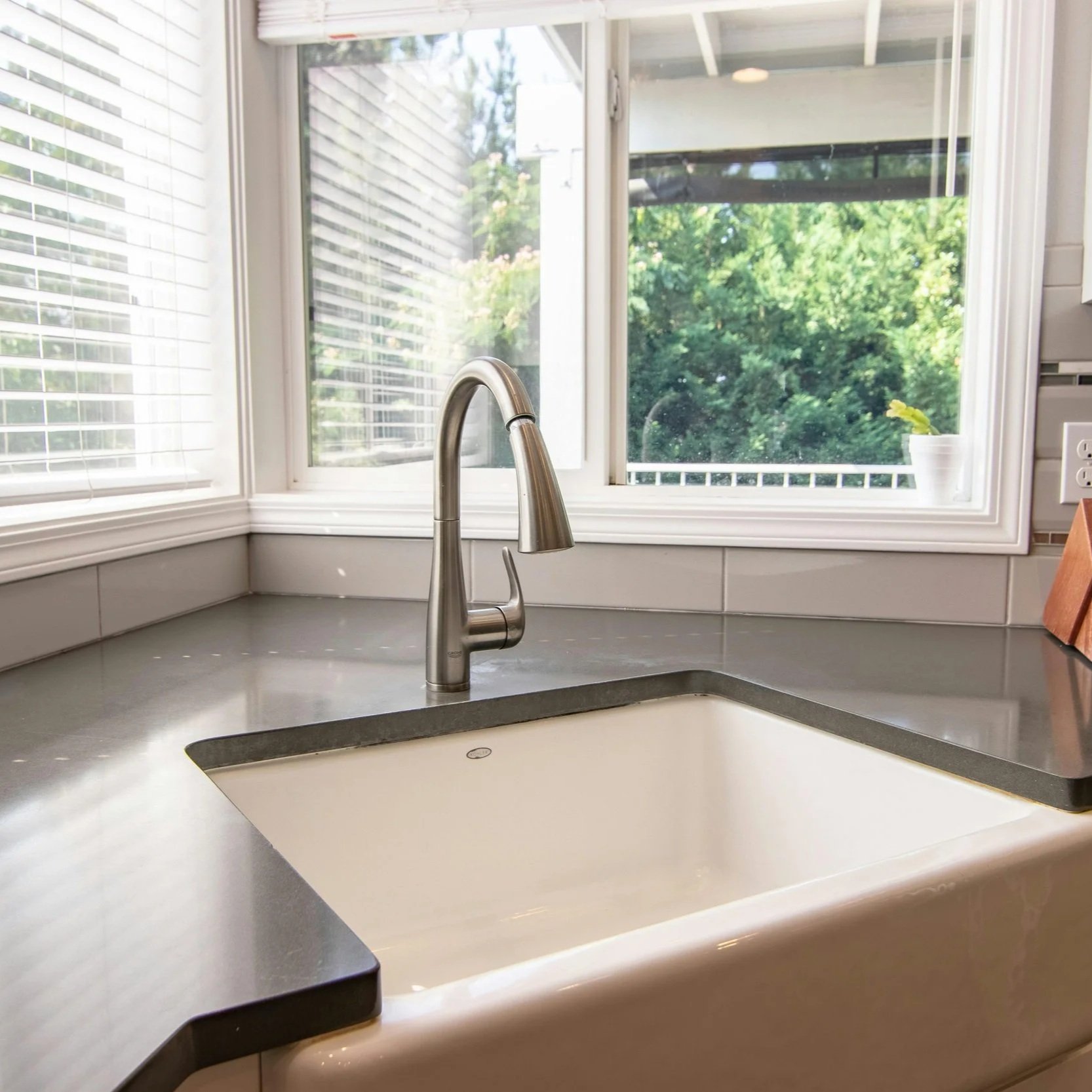
Kitchen sink installation problems rarely cause immediate failure. More often, they create slow-moving issues that develop over months or years.
Kitchen sink installation looks deceptively simple from the outside. A basin, a faucet, a drain, and a few supply lines give the impression that once everything fits in the cabinet, the job is finished. In reality, kitchen sinks sit at the crossroads of several plumbing systems that must work together precisely. In Montgomery County, Pennsylvania, where homes range from early twentieth-century properties to newer developments layered onto older infrastructure, installation mistakes often stay hidden until water damage, drainage issues, or fixture failures force attention. Many problems stem from decisions made during installation rather than from defects in the sink itself.
Kitchen sink installation problems rarely cause immediate failure. More often, they create slow-moving issues that develop over months or years. Poor alignment, improper support, incorrect drain geometry, or overlooked venting can all function well enough at first. Over time, stress builds, seals degrade, and water finds paths it should never reach. Understanding common installation pitfalls helps homeowners recognize why problems appear long after a sink is put into service and why correcting them early prevents escalating ownership costs tied to cabinetry damage, flooring repairs, and repeated plumbing service.
Improper Sink Support And Load Distribution
One of the most common kitchen sink installation issues involves inadequate support beneath the basin. Heavier sinks made from cast iron, fireclay, or composite materials place a significant load on countertops and cabinets. When installers rely solely on adhesive, clips, or thin cabinet framing rather than proper bracing, the sink gradually shifts under daily use. Even small movements stress drain connections and supply lines over time.
As months pass, unsupported sinks begin pulling against seals and fittings that were never designed to carry weight. Drain assemblies loosen slightly, creating slow leaks that may only appear during heavy use. Water seeps into cabinet bases and subflooring, often unnoticed until swelling, odors, or mold appear. Correct kitchen sink installation distributes weight through structural supports rather than relying on sealants. When ignored, improper support leads to compounding repair costs that extend beyond plumbing into cabinetry replacement and flooring remediation.
Incorrect Drain Alignment And Slope
Drain alignment plays a critical role in how a kitchen sink performs over time. During installation, even slight misalignment between the sink outlet, trap, and branch drain can reduce slope and disrupt flow. Water may still drain, but solids move more slowly, leading to increased buildup inside the pipe. Homeowners often mistake these slow-developing issues for routine clogs rather than installation errors.
As an improper slope persists, debris accumulates more quickly, leading to frequent drain cleaning and chemical use that accelerates pipe wear. Over the years, repeated backups put pressure on joints and seals, increasing the risk of leaks. Kitchen sink installation that ignores proper drain geometry often leads to recurring service calls and eventual pipe repairs that far exceed the cost of correcting alignment early. What begins as a minor drainage inconvenience evolves into an ongoing maintenance expense and potential water damage beneath the sink.
Vent Connection Mistakes And Airflow Problems
Kitchen sinks rely on proper venting to allow wastewater to flow smoothly and predictably. During kitchen sink installation, vent connections may be improperly sized, located too far from the trap, or omitted altogether in favor of shortcuts that appear functional at first. Without consistent airflow, drains struggle to maintain pressure balance, causing slow drainage, gurgling sounds, or intermittent sewer odors that seem to come and go without explanation.
Over time, vent-related issues create a clear failure progression. Inconsistent airflow increases suction in the drain line, gradually pulling water out of the trap. Once trap seals weaken, sewer gases enter the cabinet space and kitchen, often mistaken for garbage disposal odors or drain residue. Pressure fluctuations also stress slip joints and glued fittings, which loosen incrementally with each pressure cycle. Kitchen sink installation that fails to account for proper venting allows these stresses to compound quietly.
From an ownership cost perspective, vent mistakes become increasingly expensive the longer they remain uncorrected. Homeowners often replace traps, tighten fittings, or use temporary odor solutions without addressing airflow. Eventually, correcting vent problems may require opening walls or ceilings, relocating vent lines, or bringing noncompliant systems into compliance with current standards. These corrective projects cost far more than proper vent planning during initial installation and frequently coincide with collateral repairs to finishes disturbed during access.
Supply Line Routing And Stress Points
Improper routing of supply lines often goes unnoticed during kitchen sink installation. Lines bent too sharply, stretched too tightly, or forced into awkward positions place constant stress on fittings. While leaks may not appear immediately, materials fatigue over time under repeated pressure cycles from daily use.
As months and years pass, stressed supply lines develop microcracks or loose connections that drip intermittently. These slow leaks often escape detection, soaking cabinet interiors and causing gradual damage. By the time homeowners notice staining or swelling, repairs extend beyond the plumbing itself. Correct kitchen sink installation allows supply lines to move naturally without tension. Ignoring proper routing turns inexpensive fittings into long-term sources of water damage and escalating repair bills.
Faucet Mounting Errors And Deck Flexing
Faucet mounting errors introduce subtle but persistent stress into kitchen sink systems. When faucets are installed without adequate reinforcement beneath the sink deck, flexing occurs with every use. Pull-down sprayers, high-arc spouts, and heavy commercial-style faucets amplify this movement, transferring force directly into the mounting hardware and supply connections.
Over time, repeated flexing accelerates wear inside the faucet body. Internal cartridges loosen, seals deform unevenly, and mounting nuts back off slightly with each motion. Drips begin appearing intermittently, followed by handle stiffness or reduced temperature control. Homeowners often replace cartridges or tighten fittings repeatedly, unaware that the underlying issue stems from insufficient deck support during kitchen sink installation.
Ownership costs escalate as these failures repeat. Faucets wear out years earlier than expected, and frequent minor repairs add up. In some cases, flexing damages sink decks or countertop openings, requiring more extensive repair. Proper faucet stabilization during installation prevents these progressive failures and avoids the recurring expense of component replacement driven by structural oversight.
Cabinet Modifications That Compromise Plumbing Integrity
Kitchen sink installation frequently involves modifying cabinets to accommodate deeper basins, farmhouse fronts, or integrated accessories. When cabinet panels are cut aggressively or structural elements are removed without reinforcement, plumbing components lose stable anchoring points. Pipes and drains become suspended or forced into tight spaces, increasing vibration and movement during normal use.
Over time, unsupported plumbing shifts incrementally. Drain assemblies experience lateral stress, glue-joint fatigue, and loosening of slip connections. These changes often take years to surface, appearing as sudden leaks or chronic dampness beneath the sink. Kitchen sink installation that compromises cabinet integrity creates a cascading failure path in which plumbing issues trigger cabinet deterioration, which, in turn, worsens plumbing stability.
From a cost standpoint, these failures are rarely isolated. Homeowners may replace drain parts or reseal joints multiple times before recognizing cabinet instability as the root cause. By then, cabinet bases may need to be replaced, and surrounding materials may show water damage. Early reinforcement during installation prevents this escalation, preserving both plumbing performance and cabinetry investment.
Garbage Disposal Compatibility Issues
Garbage disposals introduce additional weight, vibration, and flow demands to kitchen sink systems. Installing a disposal without reinforcing drain connections or verifying compatibility with existing plumbing often causes problems that emerge slowly. Improper alignment increases strain on sink outlets and traps, while inadequate electrical or mounting support amplifies vibration.
Over time, vibration loosens connections and accelerates seal wear. Drain leaks develop beneath the sink, and disposal performance degrades. Homeowners frequently replace disposals without correcting installation flaws, repeating the cycle. Kitchen sink installation that accounts for disposal weight and movement reduces these long-term issues. Ignoring compatibility creates recurring expenses tied to appliance replacement, plumbing repairs, and moisture damage within the cabinet.
Material Compatibility And Galvanic Corrosion
Montgomery County homes often combine old and new plumbing materials during renovations. Kitchen sink installation that connects dissimilar metals without proper isolation creates conditions for galvanic corrosion. While the effects may not be immediate, corrosion progresses steadily at connection points.
As corrosion advances, fittings weaken and eventually fail, leading to sudden leaks that appear without warning. These failures often damage cabinets and flooring before water is noticed. Kitchen sink installation that overlooks material compatibility increases the risk of abrupt failures and costly emergency repairs. Addressing compatibility during installation prevents corrosion-related expenses that compound over time.
Improper Sealant Use And False Security
Sealants play a role in kitchen sink installation, but relying on them as primary structural or waterproofing solutions creates long-term risks. Excessive sealant can initially mask misalignment or poor support, giving a false sense of security. Over time, sealants dry, shrink, or crack, exposing gaps that allow water intrusion.
As sealant failure progresses, water seeps into areas never designed to get wet. Cabinet bases deteriorate, fasteners corrode, and mold develops. Homeowners often reapply sealant repeatedly without addressing underlying issues, increasing maintenance effort without stopping damage. Proper kitchen sink installation treats sealant as a secondary measure rather than a substitute for proper alignment and support, preventing long-term moisture-related costs.
Ignoring Future Access And Serviceability
Kitchen sink installation sometimes prioritizes tight, seamless appearances at the expense of future access. Pipes buried behind fixed panels or tightly packed assemblies complicate maintenance. Minor issues become major projects when basic repairs require cabinet removal or cutting into finished surfaces.
Over time, lack of access increases service costs and discourages proactive maintenance. Homeowners delay repairs because of inconvenience, allowing problems to worsen. Kitchen sink installation that considers serviceability reduces long-term ownership costs by making inspections and repairs straightforward rather than disruptive. Ignoring access planning leads to repeated expensive interventions that could have been avoided.
Local Plumbing Code Oversights
Montgomery County plumbing codes address many of the issues that cause long-term sink problems. Kitchen sink installations that do not meet code requirements for venting, trap configuration, or material use often function temporarily but fail under extended use. Code violations rarely announce themselves immediately, but consequences appear as systems age.
Over time, noncompliant installations experience higher failure rates and may complicate future renovations or home sales. Correcting code issues later costs significantly more than addressing them during installation. Kitchen sink installation aligned with local code protects homeowners from escalating repair expenses and compliance-related complications.
Seeing leaks now? Why do kitchen sink leaks often show up years after installation?
Many installation issues develop slowly over time. Repeated water pressure, temperature changes, and daily use can wear down seals and fittings until they finally fail years later.
Can a poorly installed kitchen sink damage cabinets and flooring?
Yes. Improper sealing, drainage, or support allows water to seep into surrounding materials, leading to warped cabinets, damaged flooring, and even mold growth if left unchecked.
Are heavier kitchen sinks more likely to have installation issues?
Heavier sinks require proper structural support. Without it, movement and stress can develop over time, increasing the risk of leaks, loose fittings, and long-term damage.
Do garbage disposals make sink installations more complicated?
Garbage disposals add both weight and vibration to the system. If not properly accounted for during installation, they can strain connections and lead to seal or drain failures over time.
Is it more expensive to fix installation mistakes later?
Yes. Delaying repairs allows water damage to spread, increasing the extent and cost of repairs compared to addressing the issue early.
East Coast Plumbing delivers comprehensive plumbing services across Montgomery, Bucks, Berks, and Lehigh Counties, PA, covering bathroom plumbing, kitchen plumbing, and plumbing fixture replacement and repairs. Our experienced, licensed professionals handle plumbing systems with a focus on fast response times, quality workmanship, and lasting results. From urgent plumbing repairs to complete fixture upgrades, we offer 24/7 availability and trusted service. Book your plumbing service today and get reliable solutions when you need them most.