
Why Is My Water Discolored or Rusty? 7 Real Causes
The Color and the Tap Tell You Where to Look
Discolored water rarely means one thing. A brown glass from the bathroom sink, a blue-green ring in the tub, a milky cup that clears from the bottom up, and a gray tinge only in the hot line are four different problems with four different fixes. Before anyone reaches for a wrench, two clues narrow it down quickly: the color of the water and which tap it comes out of.
Run a glass from the cold tap and hold it to a window. Then check whether the same color shows on hot, on cold, or on both, and whether it hits every faucet in the house or just one. Those two observations point you toward your own pipes, your water heater, or the city main out at the street, and that is most of the diagnosis.
What Each Color Is Actually Telling You
Rusty, orange, or reddish-brown water is the classic complaint, and it almost always comes from iron. That iron is either dissolved in the supply and oxidizing, or it is flaking off the inside of corroding galvanized steel or old iron pipe. Galvanized pipe is a zinc-coated steel line common in homes built before copper was replaced by PEX; once the zinc wears through, the steel underneath rusts from the inside and sheds particles into the flow.
Yellow to light-brown water usually signals iron or manganese naturally picked up from the ground, or tannins, which are organic compounds leached from decaying leaves and roots, more common in well water and private supplies. Tannins tint the water like weak tea and are harmless but stubborn.
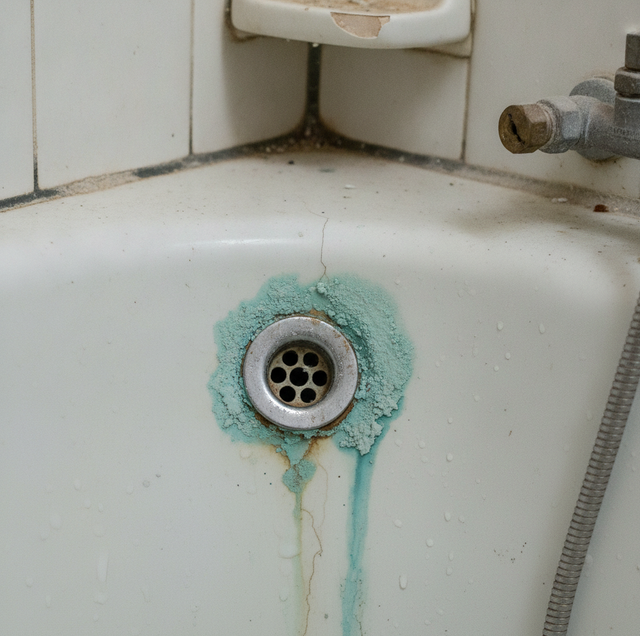
Blue or blue-green water is a different animal entirely. That tint comes from copper corrosion, where acidic or aggressive water slowly dissolves copper piping. The same problem leaves blue-green staining in sinks, tubs, and around drains. Black or dark specks indicate manganese oxidation, or sometimes mold, or a decaying rubber gasket or supply hose. Cloudy, milky-white water that clears from the bottom of the glass upward within a minute is not contamination at all; it is dissolved air or tiny air bubbles, often after work on the line or a pressure change, and it needs no fixing.
Which Tap? The Hot, Cold, and All-Taps Test
This is the fastest way to localize the source, and you can do it in two minutes.
| What You See | Likely Source |
|---|---|
| Rusty only on HOT, every hot fixture | Water heater tank or anode rod rusting inside |
| Rusty on COLD or on both, one fixture only | The pipe feeding that single fixture |
| Rusty on both, every tap, comes and goes | The city main or your buried service line |
| Blue-green tint or staining | Copper pipe corrosion |
| Cloudy white that settles clear | Dissolved air, not a defect |
| Yellow or tea-colored, steady | Iron, manganese, or tannins in the supply |
If discoloration shows up only on the hot side, the water heater is the culprit. Sediment settles at the bottom of the tank, and the sacrificial anode rod, a metal rod that corrodes on purpose to protect the steel tank, eventually wears out and lets the tank itself rust. If it hits every tap and clears after you run water for a few minutes, the disturbance is outside your house.
When the Problem Is the City Main, Not Your House
Brown water that appears suddenly, affects the whole house, and gradually clears is usually sediment stirred up in the water main. Utilities flush hydrants periodically to clear that sediment, and the flushing itself, or a nearby water main break or construction, can briefly kick up iron and mineral deposits that have settled in the pipes for years. The water is discolored, but the actual supply is fine.
The first thing to do is run a cold tap, ideally an outside spigot or a bathtub, for several minutes. If the water clears, the problem was a temporary disturbance upstream, and you are done; avoid running hot water until the cold runs clear so you do not pull sediment into the water heater. If it does not clear after running, the source is in your own plumbing, likely your pipes or heater.
When Your Own Pipes Are the Source
If cold water stays rusty tap after tap and does not clear, no matter how long you run it, the corrosion is in your home's piping. In older housing stock, that often means galvanized supply lines that have been quietly rusting for decades, sometimes alongside polybutylene, a gray plastic pipe used in the 1980s and 1990s that is prone to failure. Galvanized pipe also narrows internally as rust and scale build up, which is why an old house can lose both water clarity and water pressure at the same time.
Cleaning or descaling the galvanized pipe internally is rarely a lasting fix, because the steel keeps corroding. The durable answer is a repipe, replacing the corroded runs with copper or PEX. It is a larger job, but it addresses discoloration, pressure loss, and future leaks in one pass rather than chasing each symptom.
Filtration, Softening, and the Water Heater
When the iron or manganese is coming in from the supply rather than your pipes, the fix lives at the point of entry. A whole-house sediment filter catches rust flakes and grit; an iron filter or an oxidizing filter is designed to remove dissolved iron and manganese before they reach the tap. A water softener, which swaps hardness minerals for sodium on a resin bed, handles low levels of dissolved iron, as well as the hard-water scale common in many water supplies. Which unit fits depends on a water test, because dosing an iron filter or sizing a softener wrong just moves the problem around.
For a water heater that is the source, draining and flushing the tank clears settled sediment and often restores clear hot water. If the tank has been neglected for years and the anode rod is spent, the rust may be the tank itself failing, and no flush will bring it back; replacement is the fix. Checking and replacing the anode rod on a schedule is what extends a tank's life in the first place.
Sorting Out What You're Seeing
Discolored water is a symptom, and the useful move is to read it rather than panic. Note the color, check hot versus cold versus every tap, and run a cold line for a few minutes to see whether it clears on its own. That short routine usually tells you whether you are looking at a passing main disturbance, a tired water heater, or a corroding pipe that has reached the end of its service life, and it tells a plumber exactly where to start.
Frequently Asked Questions
For most short-lived cases, rusty water is a nuisance rather than a health hazard. The iron behind the color is not toxic at these levels, and bathing in it is generally fine, though it can stain a white tub or shower curtain. The bigger risk is laundry: iron sets orange stains into fabric, especially with chlorine bleach, which reacts with iron to lock the stain in. Skip drinking it if the color persists, if there is an odor, or if your utility has issued a boil-water notice, and have the water tested if you are unsure what is causing it.
When the color hangs on after several minutes of running cold, the cause is no longer a passing disturbance out in the main; it is on your side of the meter, and the next step is to localize it. Check the three patterns: if only the hot taps run brown, the trouble sits in the water heater; if every cold tap is discolored, suspect your buried service line or the main supply piping feeding the house; if just one fixture is affected, it is the branch line to that fixture. Persistent discoloration that does not rinse out is a signal to have the water tested and bring in a plumber rather than keep waiting for it to clear, because standing rust or corroding pipe will not resolve on its own.
Blue-green tint and blue-green staining around drains, in tubs, and on fixtures point specifically to copper pipe being corroded by acidic or aggressive water, which is a different problem from iron and takes a different remedy. Left alone, that slow corrosion thins the copper from the inside and can eventually cause pinhole leaks, so it is worth acting on even while the water looks only lightly tinted. The correction is not an iron filter but treatment that stops the copper from being eaten: an acid-neutralizing filter, typically a calcite media bed, or another method of raising the water's pH so it is no longer aggressive toward the metal. A water test confirms the low pH and guides the sizing, since over- or under-correcting the pH creates its own problems.
If cold water runs rusty at multiple taps and never clears, aging galvanized supply lines are a leading suspect, since the steel corrodes from the inside once its zinc coating wears through. Beyond color, galvanized pipe scales up internally and chokes off water pressure, so falling pressure alongside discoloration is a strong tell. A repipe in copper or PEX becomes the sensible choice when the corrosion is widespread rather than one bad section, when leaks start recurring, or when patching individual runs no longer buys much time. It solves color, pressure, and leak risk together.
It depends on where the color originates. If iron or manganese is entering from your supply, a dedicated iron or oxidizing filter removes it before it reaches a tap, and a whole-house sediment filter catches loose rust flakes. A softener handles hard-water scale and low levels of dissolved iron but is not built for heavy iron loads or for tannins, which need a separate tannin filter. None of these helps if the rust is coming from a corroded pipe inside the house or from a failing water heater, which is why a water test comes before buying any equipment.
For fabric, avoid chlorine bleach, which reacts with iron and sets the stain permanently; instead, a common home method is to boil the stained item in a solution of cream of tartar and water, or treat fresh stains with lemon juice and salt, then let it sit before rinsing. On sinks, tubs, and toilets, a paste of baking soda, lemon, and salt for tougher marks lifts the orange discoloration. These treat the symptom only; if stains keep returning, the iron source, whether the supply, the pipes, or the heater, still needs to be addressed.
Get your discolored or rusty water diagnosed and fixed right — from a water-heater flush to a full repipe. East Coast Plumbing serves Barto, Boyertown, Pottstown. Call (610) 904-9069.
