
How to Stop Tenants From Clogging the Drains Over and Over Again
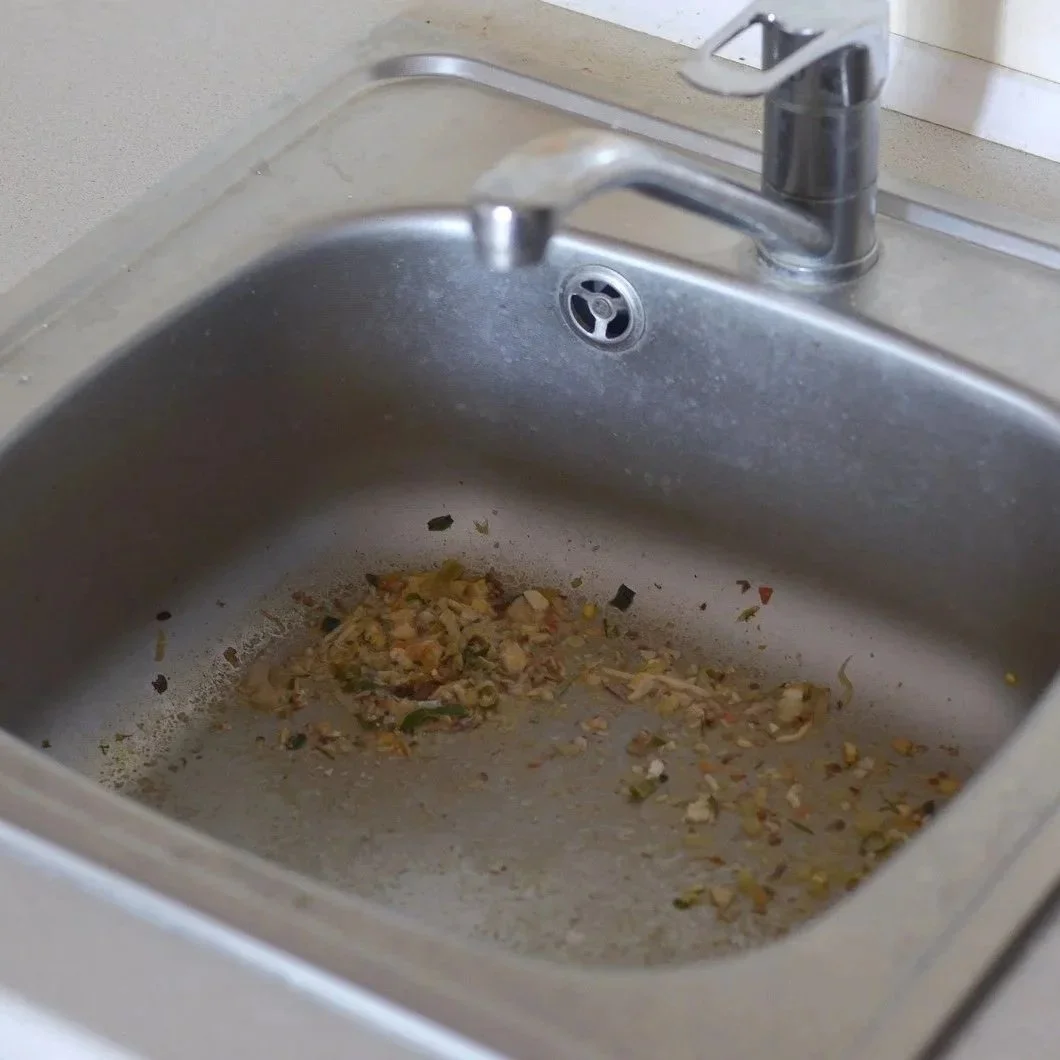
You got the call again. Unit 2B. Same bathroom drain. Six weeks since the last plumber visit, and now it's backing up again. The tenant says they have no idea what happened.
You do. Because you've been here twice before. And the same drain cleared the same way both times — a thick wad of hair and soap scum pulled out from about 18 inches down the standpipe. The issue isn't the pipes. It's what's going down them.
Repeat drain clogs in rental units aren't random bad luck. They follow patterns, and once you know the pattern, you can break it. Most of what goes wrong in a rental drain comes down to three things: hair, grease, and non-flushables. The fix is part hardware, part lease language, and part maintenance routine. Here's how to address all three before your next service call.
Why Rental Drains Clog More Often Than in Owner-Occupied Homes
In a home you own, you know every quirk. You know the kitchen sink starts draining slow in winter because the P-trap runs close to the exterior wall. You clean the hair catcher every two weeks because you've seen what happens when you don't. That knowledge sits inside the house and never has to be transferred.
Rental units don't work that way. Tenants move in without any history of the property. They don't know the bathroom tub drain is fussier than average. They don't know the previous occupants had long hair and the line already has a soft buildup coating the walls. They're not negligent, exactly — they just lack context. And when tenants turn over, the buildup left behind compounds with whatever the new occupants add on top of it.
There is also a behavior gap. When you own your home, a clog is your problem and your cost. In a rental, it's someone else's problem, which makes the psychological incentive to prevent it much weaker. No tenant is going to clean a drain strainer twice a week because they care about your pipes.
The goal isn't to change tenant behavior through willpower — it's to install systems that make clogging harder than not clogging, and to set clear expectations before move-in.
What Actually Goes Down Rental Drains
Understanding the cause matters before you can fix it. Each drain type has its own culprits.
| Drain | Primary clog cause | Secondary cause |
|---|---|---|
| Shower/tub | Hair + soap scum | Shampoo/conditioner buildup |
| Bathroom sink | Hair + toothpaste | Cotton swabs, small items |
| Kitchen sink | Cooking grease | Coffee grounds, food particles |
| Toilet | Flushable wipes | Paper towels, hygiene products |
| Floor drain (basement) | Sediment, mineral scale | Debris from laundry |
Hair is the most common culprit across shower and bathroom sink drains. It doesn't dissolve. It tangles into a mesh inside the pipe, and every rinse-off from shampoo, conditioner, and body wash adds a sticky layer that catches the next batch of hair. A drain can go from full flow to near-stopped in four to six weeks in a high-traffic shower.
Grease is the slow-motion problem in kitchens. Cooking oil, pan drippings, and butter enter the drain warm and liquid, but they cool against the pipe wall within the first few feet and solidify into a layer that coats the pipe's interior. Think of it like the inside of a cold fryer basket — every subsequent rinse adds to the coating, narrowing the pipe gradually until nothing gets through fast enough.
Wipes are the drain disaster category in a class of their own. "Flushable" is a marketing claim, not a plumbing specification. These products don't break down the way toilet paper does, and they create blockages in the lateral lines between the unit and the building's main stack.
Hardware That Catches Problems Before They Start
The most effective thing you can do for shower and bathroom sink drains is to install physical barriers. This isn't complex. A mesh drain screen — the kind that sits in the drain opening and catches hair before it enters the pipe — costs about three to five dollars and prevents the majority of shower drain service calls.
There are two types that work well in rental settings. Snap-in mesh screens fit inside the drain flange and are nearly invisible from normal standing height. Silicone mushroom-style catchers sit on top of the drain and can be lifted out and cleaned in a few seconds. Both work. The mushroom style is slightly easier for tenants to clean; the snap-in type is harder to accidentally knock off.
Install them at turnover, not after the first clog. If you wait until there's a problem, you're already behind. Take photos at move-in so you have documentation that the screen was present when the tenant took possession.
For kitchen sinks, the same principle applies. A fine-mesh basket strainer in the kitchen drain will catch coffee grounds, food scraps, and anything else that shouldn't go down. If the rental has a garbage disposal, add a strainer on the non-disposal side of a double sink.
For toilets, the prevention is language and signage, not hardware. A laminated card mounted near the toilet listing what cannot be flushed — wipes, paper towels, cotton balls, hygiene products — sounds minor. It makes a difference, especially with tenants who've never had this explained to them.
Writing Drain Responsibility Into the Lease
Lease language doesn't need to be dense to be effective. The goal is clarity about two things: what tenants are responsible for preventing, and what the process is when something clogs.
A practical lease clause might read: "Tenant is responsible for maintaining all plumbing fixtures, drains, and toilets in the condition in which they were received. Tenant agrees not to dispose of grease, coffee grounds, food waste, wipes, or non-biodegradable materials through drains or toilets. Tenant is responsible for clearing minor clogs in sink, tub, and shower drains. Plumbing issues that are structural or involve the main line will be addressed by the property owner."
What the lease needs to define: minor clogs versus structural issues. Minor means the tenant's drain is slow or stopped due to normal accumulation of hair and soap. Structural means the clog is deep in the line, involves multiple drains backing up simultaneously, or is due to root intrusion, a damaged pipe, or an undersized lateral. Tenants handle the first. Property owners handle the second.
Adding a clause that the tenant agrees to use drain screens and not introduce grease or non-flushables into drains gives you a documented baseline. It doesn't prevent every clog, but it shifts liability clearly when the plumber pulls out a wad of baby wipes and the lease explicitly prohibited flushing them.
A Monthly Maintenance Routine That Actually Works
Enzyme-based drain treatments are the cleanest way to keep drains clear between tenancies and during long-term occupancies. Unlike chemical drain cleaners — which use lye or sulfuric acid to dissolve organic material and will eventually soften PVC joints and corrode older cast-iron lines — enzyme treatments use bacteria cultures that eat grease, soap scum, and organic debris without harming the pipe. They're safe for all pipe types and work slowly over 24 to 48 hours.
The routine is simple: pour the enzyme treatment down each drain once a month, leave it overnight, and flush with warm water in the morning. For a rental unit, you can either include a bottle of enzyme treatment with the move-in packet and explain the routine to the tenant, or you can do it yourself at each quarterly inspection. Monthly is better than quarterly if the unit has heavy use.
A baking soda and vinegar flush is a decent backup when you don't have enzyme treatment on hand. Pour about half a cup of baking soda down the drain, follow with a cup of white vinegar, let the fizzing reaction run for 15 minutes, then flush with hot water. It won't clear a full clog, but it breaks down early buildup before it compacts into a blockage.
Running the kitchen sink with hot water for 30 to 60 seconds after every dish session is another practical habit. Most cooking grease that goes down a kitchen drain makes it past the trap and into the lateral before it solidifies — hot water keeps it moving further down the line, where dilution and temperature reduce the buildup.
When a Repeat Clog Means You Have a Pipe Problem, Not a Tenant Problem
There is a point at which recurring clogs stop being a behavioral issue and start being a diagnostic one. If the same drain keeps backing up within six to eight weeks of professional cleaning — and the tenant hasn't changed — the problem is downstream of the drain trap.
In older rental properties, especially those built before 1980, cast-iron drain lines scale up on the inside over decades. Mineral deposits from hard water narrow the pipe's effective diameter, and the rough interior surface grabs onto hair and grease that would normally flush clear in a smooth PVC pipe. You can snake a cast-iron line fifty times and never fully remove the scale — the clog will come back because the pipe walls are the problem.
Root intrusion in clay tile laterals is another repeat-clog scenario that looks like tenant behavior from the outside. The toilet starts flushing slow, the tub drains sluggishly, the basement floor drain gurgles when someone runs the washing machine. All of it points at the main line, not any individual drain. A camera inspection — where a plumber runs a small video camera through the line — will show the root intrusion within minutes and eliminate any doubt about where the problem actually is.
If a camera inspection shows clear pipe and the tenant's drain keeps blocking anyway, the answer is usually the P-trap or the short lateral between the drain and the stack. These can accumulate heavy buildup that a standard snake doesn't fully clear. Hydro jetting — blasting the line with high-pressure water — scours the pipe wall and removes buildup that mechanical snaking leaves behind.
The practical test: if you've cleared the same drain twice in under three months and the camera shows no structural issue, put in a drain screen and add the enzyme maintenance routine. If it backs up a third time, pull the P-trap and inspect it physically. If you're still seeing the problem after that, the pipe itself needs attention.
Frequently Asked Questions
You can charge a tenant for a clog that results from their misuse — grease disposal, non-flushable items, or failure to use drain screens if the lease requires it. The difficult cases are hair clogs, which some courts treat as normal wear and tear. A lease that specifically assigns drain screen maintenance to the tenant strengthens your case when hair buildup is the documented cause.
Mesh snap-in screens that fit inside the drain opening are durable and low-profile. For high-turnover units, a silicone mushroom-style catcher that sits in the opening is easier for tenants to clean without tools. Replace them at every tenant turnover since they're inexpensive, and the old ones collect buildup.
For a single slow drain that's clearly hair-related, a hand snake or drain auger will clear most residential shower and bathroom sink clogs. If multiple drains are slow, if there's gurgling between fixtures, or if the clog returns within a few weeks, call a plumber. Repeated snaking on the same line without improvement usually means the issue is in the pipe wall or deeper in the lateral.
Yes, especially in high-occupancy units or buildings. Enzyme treatments cost about eight to fifteen dollars per bottle and last one to two months depending on usage. A single emergency drain service call costs significantly more. Monthly preventive treatment in kitchens and showers is one of the highest-return maintenance tasks a landlord can schedule.
A brief move-in orientation covers it: show them where the drain screens are, explain that the screens need to be rinsed every two weeks, and leave a written sheet with the three things not to put down any drain — grease, wipes, and coffee grounds. Framing it as property care rather than a list of rules makes the conversation easier.
Yes. Mineral scale from hard water coats the inside of drain lines and creates a rougher surface that holds onto grease, hair, and soap scum more aggressively than a smooth pipe wall. In areas with hard water, drain buildup accumulates faster than normal. Enzyme treatment and periodic hot-water flushing help, but older cast-iron lines in hard-water conditions may need hydro jetting every few years to maintain adequate flow.
Repeat drain clogs in rental units are almost always preventable once you understand where they come from. Install the hardware at move-in, set expectations in the lease, build a monthly enzyme routine into your maintenance schedule, and know when the symptoms are pointing at the pipe rather than the tenant. Most repeat service calls disappear when those four things are in place.
