
Water Hammer Explained: Why Your Pipes Bang and Thud
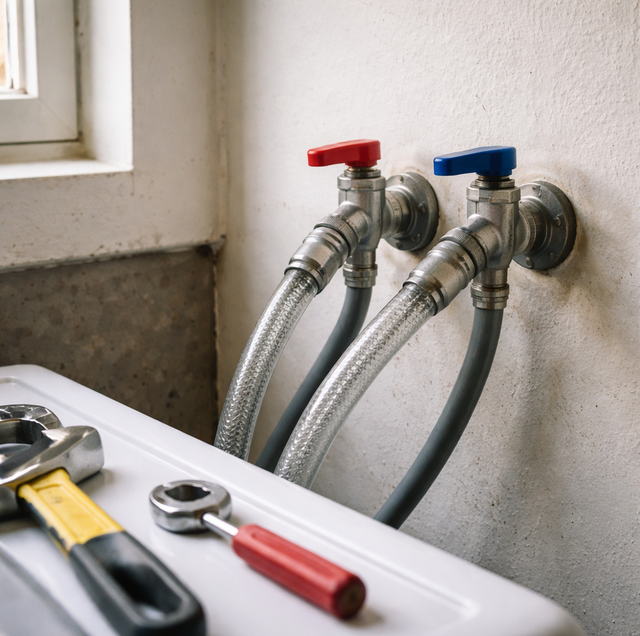
Quick Answer: Water hammer is a pressure shock wave that slams your pipes when fast-moving water is stopped suddenly, usually by a quick-closing valve. The moving water has momentum, and when a valve shuts in a fraction of a second, that momentum has nowhere to go, so it hits the pipe wall as a physical jolt. The fixes range from lowering house water pressure and installing water hammer arrestors to recharging waterlogged air chambers and strapping down loose pipe.
That sharp bang, thud, or shudder in the walls right after a faucet snaps shut or the washing machine changes cycles is not the house settling. It is water hammer, and it is one of the most common plumbing complaints in older and newer homes alike. The noise is dramatic, but the mechanism behind it is simple physics, and understanding that mechanism is the key to stopping the racket instead of just living with it.
What Water Hammer Actually Is
Water moving through your supply lines carries momentum, the same way a moving vehicle does. When a valve closes gradually, the flow slows down over enough time that the momentum bleeds off harmlessly. When a valve closes almost instantly, the column of water traveling toward it gets stopped cold, and all of that momentum converts into a pressure spike in a split second.
Consider a long line of shopping carts rolling forward when the lead cart hits a wall: the carts behind pile into it with a bang because their motion had nowhere to go. Water behaves the same way inside a rigid pipe. That pressure spike, often several times the normal operating pressure, travels back up the pipe as a shock wave and slams against fittings, elbows, and the pipe wall itself. The bang you hear is that wave hitting metal.
This is why the noise almost always happens at the moment something shuts off, not while water is flowing. The flow itself is quiet. The violence is in the sudden stop.
What Causes the Bang
Several conditions create or worsen water hammer, and homes often have more than one at play.
Quick-Closing Valves: The most frequent trigger is an appliance with a solenoid valve, the electrically operated shutoff inside washing machines and dishwashers. A solenoid snaps closed in a fraction of a second, which is exactly the condition that produces a strong shock wave. This is why the bang so often lines up with the washer filling or the dishwasher advancing between cycles. A single-handle faucet shut fast by hand can do it too.
High Water Pressure: The higher the pressure in your lines, the faster the water moves, and faster water carries more momentum to convert into a spike. Homes running above roughly 60 to 80 psi are far more prone to hammer, and high pressure makes every other cause worse.
Chronically high water pressure does more than make the pipes bang. It stresses the entire system, including the water heater, and can push it past safe limits, forcing the temperature-and-pressure relief valve to work harder. Have the static pressure measured and corrected rather than ignored.
Waterlogged or Missing Air Chambers: Many homes were plumbed with air chambers, short capped stubs of vertical pipe near fixtures that trap a pocket of air. That air compresses like a cushion when a valve slams shut, absorbing the shock. Over time, the trapped air dissolves into the water, and the chamber fills, or waterlogs, leaving nothing to soften the blow. A home that was quiet for years and then started banging often has air chambers that have lost their air.
Loose or Unsecured Pipes: A pipe that is not firmly strapped to the framing can jump and knock against a joist or stud when pressure surges through it. Worn washers, failing valve seats, and aging fill valves in toilets can also produce knocking or chattering as they vibrate.
True Water Hammer Versus a Simple Rattle
Not every noisy pipe is water hammer, and the distinction changes the fix. True water hammer is a single sharp bang or thud that occurs at the instant water stops, driven by the pressure wave. A loose-pipe rattle, by contrast, tends to be a repeated knocking or buzzing that happens while water is running, as flow vibrates an unsecured line against wood.
If the noise is a one-time crack right at shutoff, suspect the pressure wave and the air chambers. If it is an ongoing chatter during flow, suspect loose straps or a worn valve. Some homes have both, which is why chasing one fix sometimes only quiets half the problem.
A single sharp bang right at shutoff points to the pressure wave and waterlogged air chambers, while a repeated knock or buzz while water is running points to a loose pipe or worn valve. Matching the noise to its cause keeps you from chasing the wrong fix.
Why It Is Worth Fixing
A single bang feels harmless, but water hammer is a repeated mechanical stress event. Each spike jolts threaded joints, soldered fittings, and appliance connections. Over months and years, that repeated shock can loosen a fitting enough to weep, work a supply line connection loose, or fatigue a joint until it fails. Because supply lines often run inside walls, ceilings, and floors, a leak that starts there can go unseen until it has done real damage. Quieting the hammer is partly about comfort and partly about protecting the joints from a slow, cumulative beating.
The Fixes, From Simple to Involved
Work from the least invasive step toward the more involved ones, since an early fix often solves it.
Measure and Lower House Water Pressure: Start by having your static water pressure checked with a gauge on an outside spigot or laundry connection. If it reads high, the correct fix is a pressure-reducing valve, or PRV, installed on the main line where water enters the house. A PRV brings the whole system down to a safe, steady range, which reduces hammer everywhere at once and takes strain off the water heater and every fixture. Because it sits on the main and involves the incoming line, PRV work is a job for a licensed plumber.
Install or Replace Water Hammer Arrestors: A water hammer arrestor is a small sealed device with an air-charged piston or bladder that absorbs the shock wave. Unlike an open air chamber, its air is sealed in and does not dissolve away, so it stays effective. Arrestors are installed near the offending appliance, for example on the hot and cold lines feeding a washing machine, where they are often the single most effective cure for solenoid-driven hammer. Screw-on versions exist for washer hookups; in-wall models are a plumbing job.
Recharge Waterlogged Air Chambers: If existing air chambers have waterlogged, draining the system lets them refill with air. This is a doable homeowner step and is covered in detail below.
Secure Loose Pipes: Where a pipe knocks against framing, cushioned pipe clamps or straps hold the line firmly and add a rubber or plastic buffer so metal never strikes wood. Adding supports every few feet along an exposed run, in a basement or crawlspace, quiets the rattle side of the problem.
How to Recharge Air Chambers Yourself
Recharging waterlogged air chambers is one of the few water hammer fixes a homeowner can do without special tools, because it works by simply letting the system drain and refill.
First, know where your main shutoff is and close it, since the whole system has to be off and drained for this to work. Turn off the water heater supply as well. Then open the highest faucet in the house, often an upstairs fixture, and the lowest faucet, such as a basement sink or an outside spigot. Let everything drain fully. As the water leaves, air is drawn back into the chambers, refilling those cushioning pockets. Once the lines have drained, close the low faucet, reopen the main, and let each fixture run until the sputtering air clears and flow is steady. If the hammer returns quickly after this, the chambers may be too small or corroded to hold air, and sealed arrestors are the longer-lasting answer.
When to Call a Plumber
Some water hammer is a quick fix, and some points to a condition worth professional attention. Call a plumber when the hammer persists after you have recharged the air chambers and checked the obvious appliances, when a pressure gauge shows chronically high pressure that needs a PRV, or when the banging comes from pipes buried in walls or ceilings that you cannot reach or secure. High pressure in particular is worth prompt attention because of the added load it puts on the water heater and the risk that comes with it. Any work on pressure-regulating valves or on lines behind finished walls is pro territory, both for the skill involved and for making sure the fix does not create a new leak.
Frequently Asked Questions
Yes, and it is a two-way relationship. The high water pressure that drives hammer also forces the temperature-and-pressure relief valve on the heater to work harder, and repeated pressure spikes can shorten the life of the tank and its connections. An expansion tank on the heater's cold inlet is a separate device that absorbs the thermal pressure the heater itself creates, and it is often recommended alongside a PRV in a closed system.
The usual answer is waterlogged air chambers. The trapped air that had been cushioning your pipes gradually dissolved into the water until the chambers filled, removing the cushion. A pressure change from the utility side, or a newly installed appliance with a fast solenoid valve, can also introduce hammer to a system that was previously silent.
Somewhat. PEX and other flexible plastic lines can flex slightly under a pressure spike, which absorbs a little of the shock that rigid copper transmits as a sharp bang. Flexibility reduces the noise but does not eliminate the underlying pressure wave, so a PEX system with high pressure or a hard-slamming solenoid can still hammer and still benefit from an arrestor.
As close to the quick-closing valve as possible, because the shock originates there. For a washing machine, that means on both the hot and cold supply lines right at the hookup, and for a dishwasher, it means near the appliance's inlet valve. Placing an arrestor far upstream leaves the length of pipe between it and the valve unprotected.
Less often for this reason. Because simple open air chambers waterlog over time and go silent, many plumbers now install sealed mechanical arrestors that keep their air charge permanently, or rely on a properly regulated pressure and an expansion tank. Older homes are the ones most likely to still depend on the original air-chamber stubs.
It can be. A worn or failing toilet fill valve, especially certain older diaphragm-style valves, can shut abruptly at the end of a fill and produce a bang or a groaning shudder that sounds just like pipe hammer. Replacing the fill valve fixes that specific noise, which is why isolating which fixture triggers the sound is a useful first diagnostic step.
Track down the source of the banging and quiet it for good — a quick pressure check often reveals the real culprit. East Coast Plumbing serves Boyertown, Pottstown, and Reading. Call (610) 944-2998.
