
Why Pipes Freeze and Burst in Pennsylvania Winters
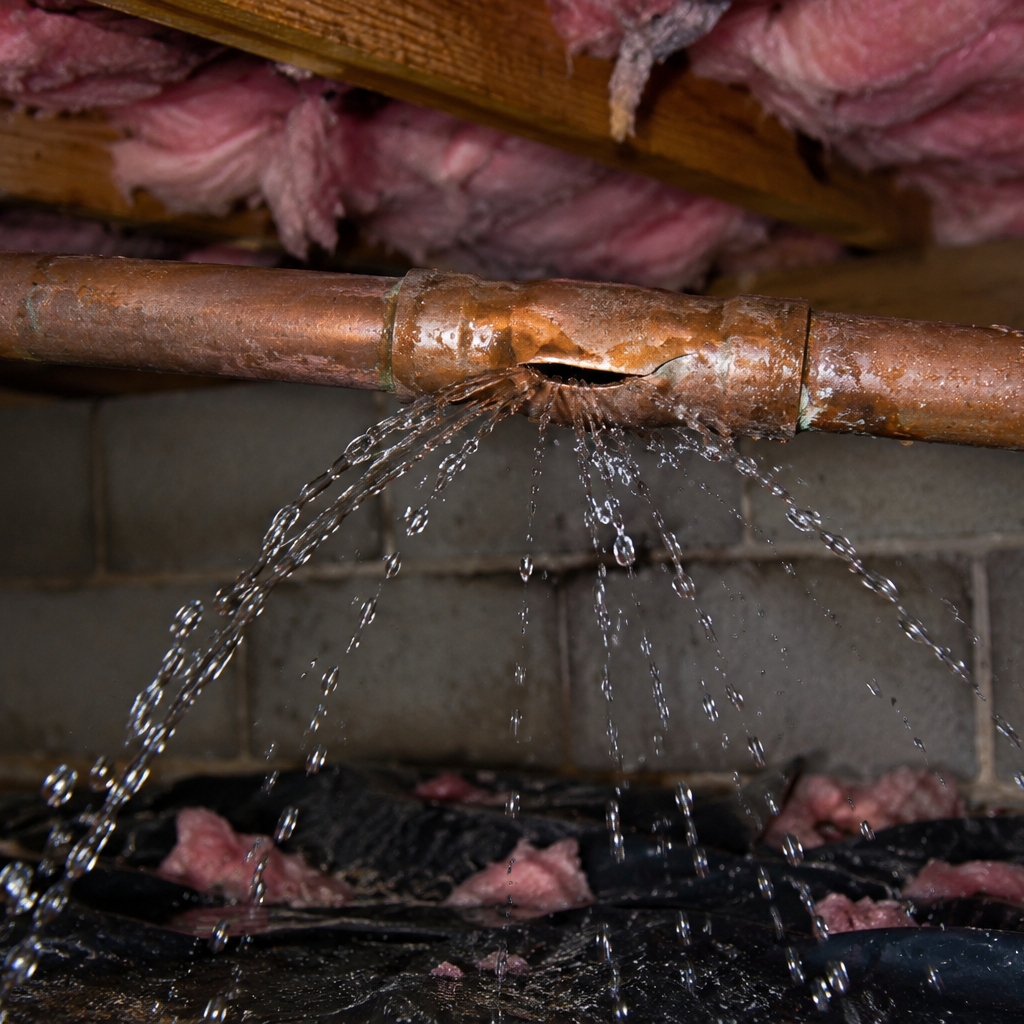
Quick Answer: Pipes freeze and burst because water expands about nine percent when it turns to ice. As ice forms inside a pipe, it builds enormous pressure between the blockage and a closed faucet, and when that pressure exceeds what the pipe can hold, the pipe ruptures — often away from the actual ice. The most at-risk pipes run through unheated or exposed spaces: outside walls, attics, basements, crawl spaces, garages, and along exterior walls. Pennsylvania's hard freezes make this a real winter threat. The danger isn't just the freeze; it's the burst and the flooding when it thaws.
A frozen pipe sounds like a minor winter inconvenience — until it bursts and floods the house. In a Pennsylvania winter, hard freezes make this a genuine threat, and the way it happens surprises people: the pipe usually doesn't split where the ice is. Understanding the actual mechanism — why freezing water destroys a pipe — explains which pipes are most at risk and why prevention matters so much before the cold sets in.
It's Not the Ice — It's the Pressure
Here's the part most people get wrong: a pipe doesn't burst because ice physically crushes it from the inside. It bursts because of pressure. Water is unusual in that it expands by roughly 9% as it freezes. When ice forms a blockage inside a pipe, it keeps expanding, and it pushes the water trapped between the ice and a closed faucet. That trapped water has nowhere to go, so the pressure builds to enormous levels. When the pressure exceeds what the pipe can withstand, the pipe fails — and it often ruptures at a weak point somewhere between the ice blockage and the faucet, not at the frozen spot itself. So the freeze creates the pressure, and the pressure bursts the pipe.
Why It Floods When It Thaws
The cruel twist is that the flooding often comes later. While the pipe is frozen, the ice itself acts as a plug, so even a burst pipe may not leak much at first. But when the ice thaws and water flows again, it pours out of the rupture — sometimes when no one's home or paying attention. That's why a frozen pipe is dangerous even after the cold passes: the damage was done during the freeze, but the flood arrives with the thaw. A single burst pipe can release a large volume of water fast, causing serious water damage to floors, walls, ceilings, and anything stored nearby before anyone even realizes there's a problem.
Which Pipes Are Most at Risk
Not all pipes are equally vulnerable. The ones that freeze are those exposed to the cold, in unheated or poorly insulated spaces.
| At-risk location | Why it freezes |
|---|---|
| Exterior walls | Pipes there are close to outdoor cold |
| Attics and basements | Often unheated or poorly insulated |
| Crawl spaces | Exposed to cold air from below |
| Garages | Unheated, with cold concrete and doors |
| Outdoor faucets and hose bibs | Directly exposed to outside temperatures |
| Unheated/vacant areas | No warmth to keep pipes above freezing |
Pipes running through unconditioned spaces — attics, basements, crawl spaces, garages — and along exterior walls are the usual victims, because they sit in or near the outdoor cold without enough warmth or insulation to stay above freezing. Outdoor faucets and any pipes in unheated or unoccupied parts of a home are especially exposed. In a Pennsylvania cold snap, these are the spots where ice forms first.
If you turn on a faucet in freezing weather and only a trickle (or nothing) comes out, you likely have a frozen pipe. Keep the faucet open so water can flow as it thaws and relieve pressure, and address it before it bursts. If a pipe has already burst, shut off the main water supply right away to limit flooding, and call a plumber.
Why Pennsylvania Winters Make It Worse
Pennsylvania gets genuine, sustained freezing weather, and that's exactly what drives frozen-pipe failures. Deep cold snaps push temperatures well below freezing for extended periods, giving ice time to form in exposed pipes and build the pressure that bursts them. Older homes common in the region may have less insulation and more exposed plumbing in vulnerable spaces, adding to the risk. The combination of hard freezes and at-risk pipes is why frozen and burst pipes are a recurring winter problem here — and why getting ahead of it before and during cold snaps matters. The freeze is the trigger; the burst and the flood are the cost. That's why homeowners here pay attention to the forecast and protect exposed pipes before a hard cold snap rather than after.
Frequently Asked Questions
Because water expands about nine percent when it freezes, and as ice forms a blockage inside a pipe, it pushes the water trapped between the ice and a closed faucet. That trapped water has nowhere to go, so pressure builds to enormous levels until it exceeds what the pipe can hold, and the pipe ruptures. Notably, the burst often happens at a weak point between the ice and the faucet, not at the frozen spot itself. It's the pressure, not the ice directly, that breaks the pipe.
Because while the pipe is frozen, the ice acts as a plug that blocks water flow, so even a burst pipe may not leak much at first. Once the ice thaws and water flows freely again, it pours out of the rupture — sometimes when no one is around to notice. That's why a frozen pipe remains dangerous even after the cold passes: the damage occurs during the freeze, but the flood arrives with the thaw, often causing serious water damage fast.
Pipes exposed to the cold in unheated or poorly insulated spaces: those running through exterior walls, attics, basements, crawl spaces, and garages, plus outdoor faucets and hose bibs. These sit in or near the outdoor cold without enough warmth or insulation to stay above freezing. Pipes in unheated or unoccupied parts of a home are especially at risk. In a hard Pennsylvania freeze, these locations are where ice forms first, and bursts are most likely.
If a faucet gives only a trickle or nothing in freezing weather, you likely have a frozen pipe. Keep that faucet open so water can flow and relieve pressure as the pipe thaws, which reduces the risk of a burst. You can apply gentle warmth to the frozen section, but avoid open flames. If a pipe has already burst, shut off the main water supply immediately to limit flooding and call a plumber to handle the repair.
They can be. Older homes common in the region may have less insulation and more plumbing running through exposed, unheated spaces like uninsulated basements, crawl spaces, and exterior walls — exactly the spots where pipes freeze. Combined with Pennsylvania's hard winter freezes, this makes older homes more vulnerable to frozen and burst pipes. Insulating exposed pipes and addressing cold, drafty areas where plumbing runs helps reduce the risk in these homes.
The Freeze Sets the Trap, the Thaw Springs It
Pipes burst in Pennsylvania winters because freezing water expands and builds crushing pressure inside the pipe until it ruptures — usually between the ice and a closed faucet, not at the ice itself. The flood often holds off until the thaw, when water finally pours from the break. The pipes most at risk are the exposed ones in unheated spaces: exterior walls, attics, basements, crawl spaces, and garages. Knowing the mechanism is the first step to preventing it, because a frozen pipe is a problem worth stopping before the cold ever arrives. Once you understand that it's expanding ice and trapped pressure doing the damage, the value of insulating exposed pipes and keeping water moving in a hard freeze makes complete sense.
Worried about frozen pipes this winter? — Get vulnerable pipes assessed and protected, or a burst pipe handled fast, by a licensed master plumber. East Coast Plumbing serves Barto, Boyertown, Pottstown. Call (610) 944-2998.
