

Our Plumbing Blog
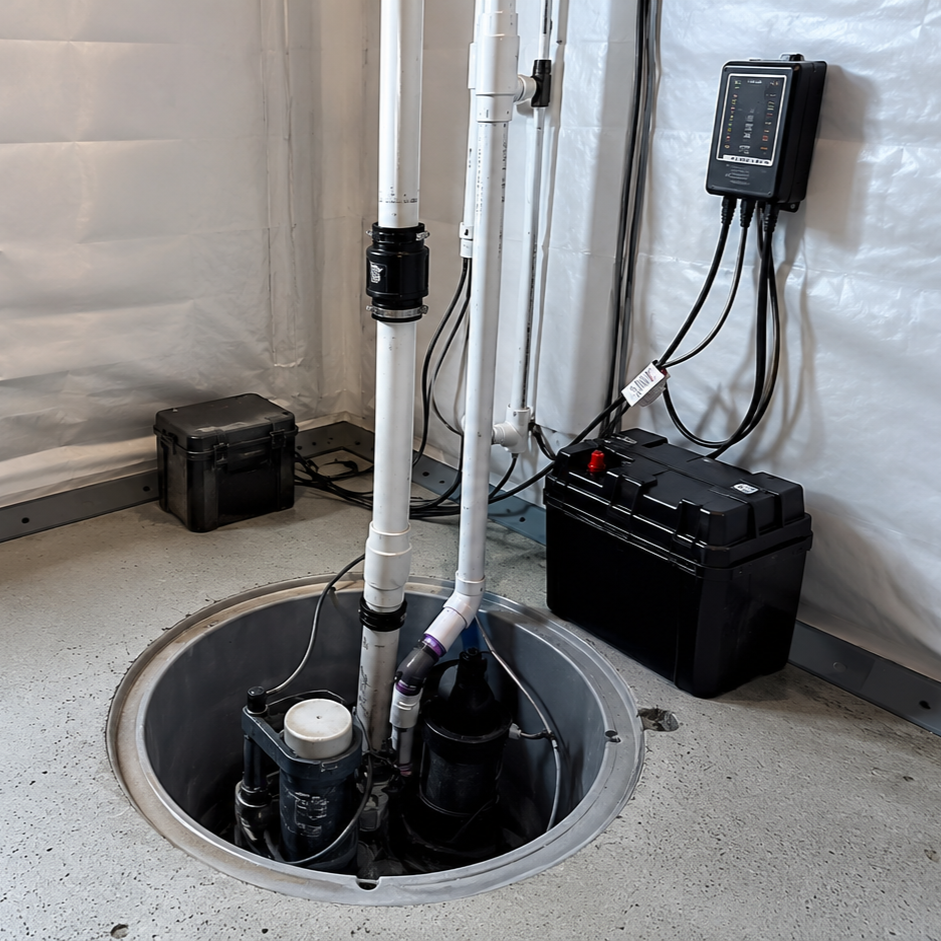
Power Out and Your Sump Pump Stopped? Do These Things Now
That scenario plays out regularly across southeastern Pennsylvania, where spring storms and nor'easters can knock power out for hours — sometimes longer. The problem isn't that sump pumps are unreliable.

Sump Pump Running Nonstop in Dry Weather? Here Are the 6 Causes
Your sump pump pushes water up through a vertical discharge pipe — usually 10 to 15 feet before the pipe angles out of the house.
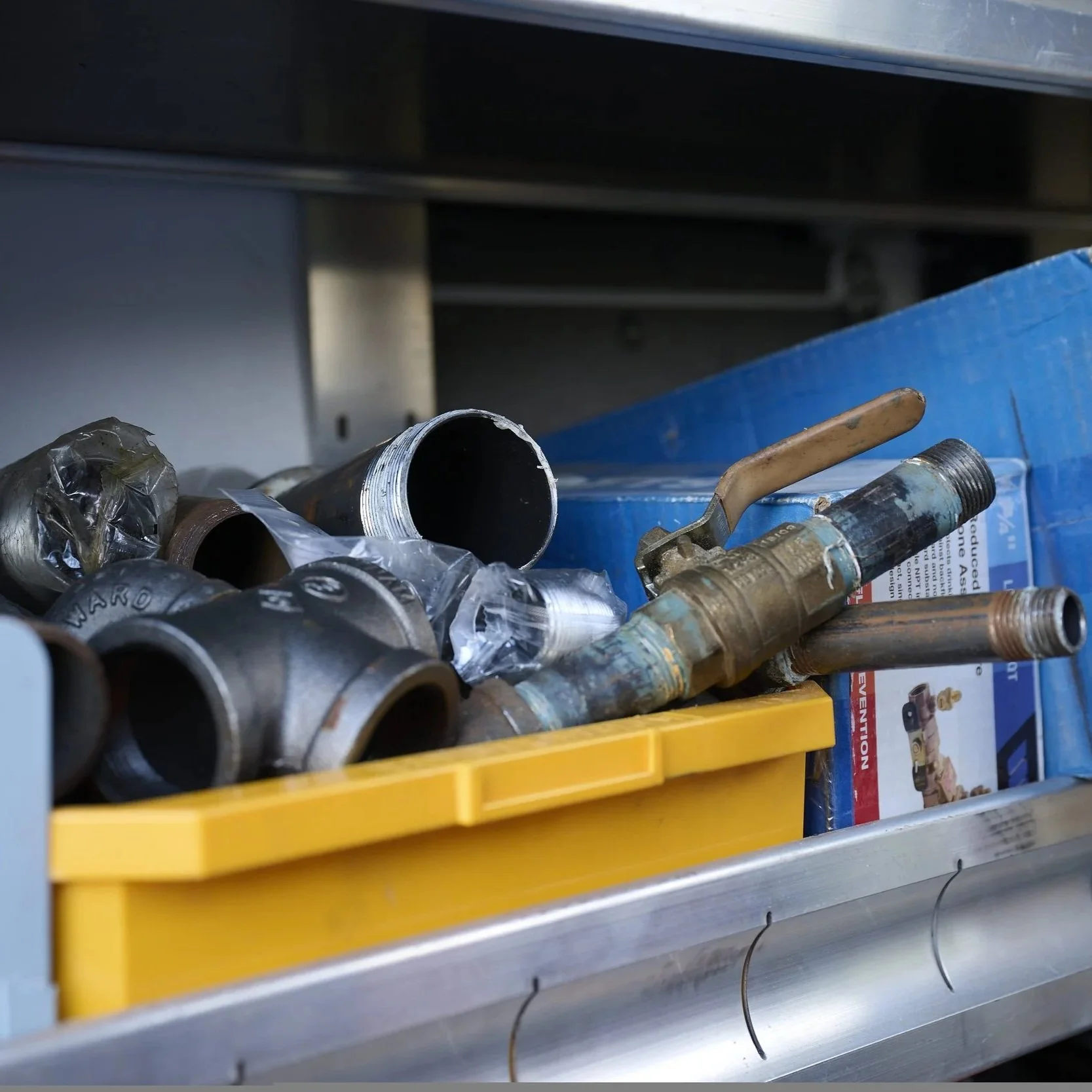
PEX vs. Copper for Repiping: Which Actually Lasts Longer
the original copper supply lines have been leaking slowly behind the wall for months. Pinhole after pinhole. Now the plumber gives you a choice — repipe with new copper, or switch to PEX.
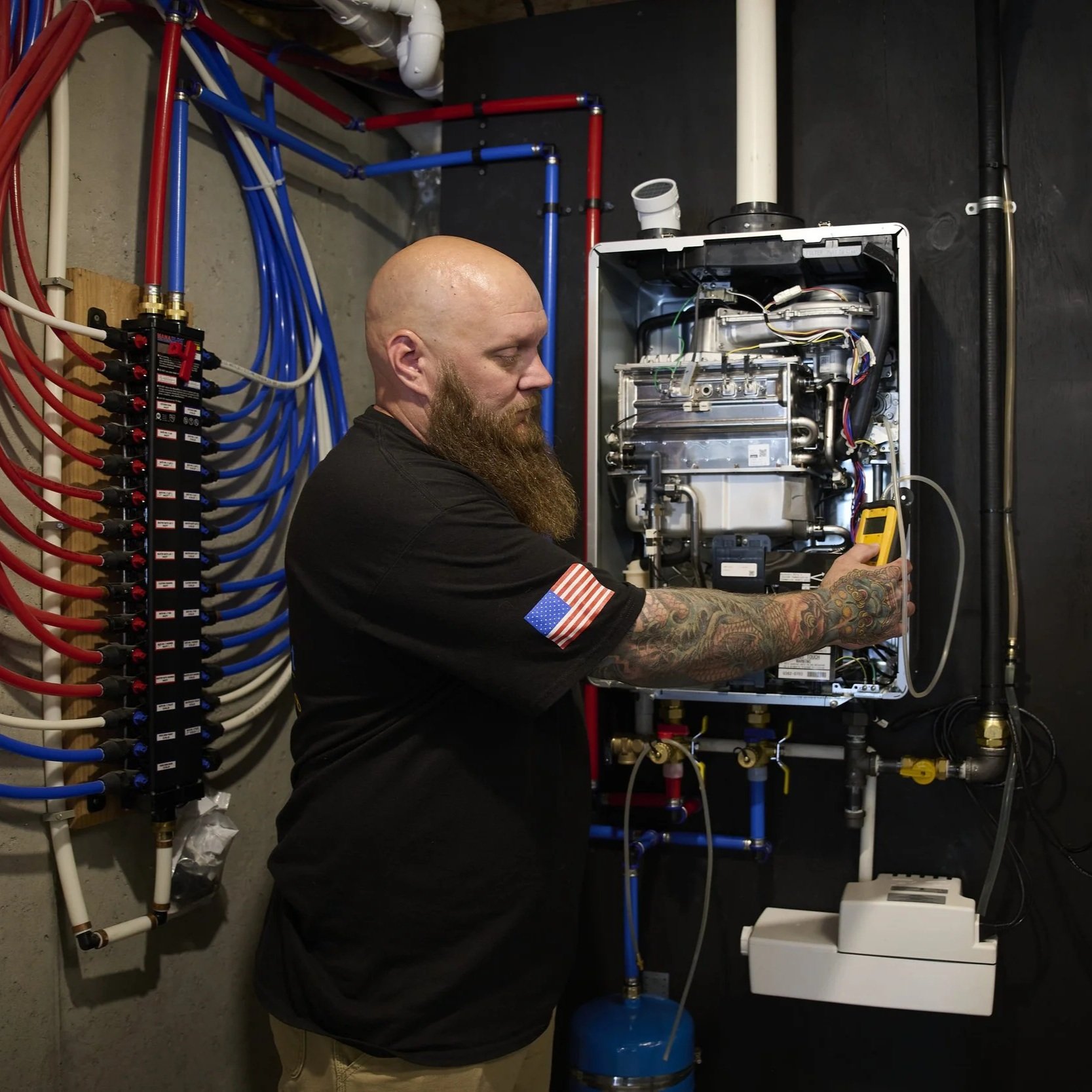
Whole-House Repiping Cost: What Drives the Price in PA Homes
Most whole-house repipes in eastern Pennsylvania happen because galvanized steel supply lines have run out of road.
5 Signs Your Galvanized Pipes Are Failing (And When to Repipe)
Galvanized pipe scratches to a dull gray or silver — matte, not shiny. Copper scratches to a warm copper-orange you can't miss. PEX and CPVC stay white or cream.
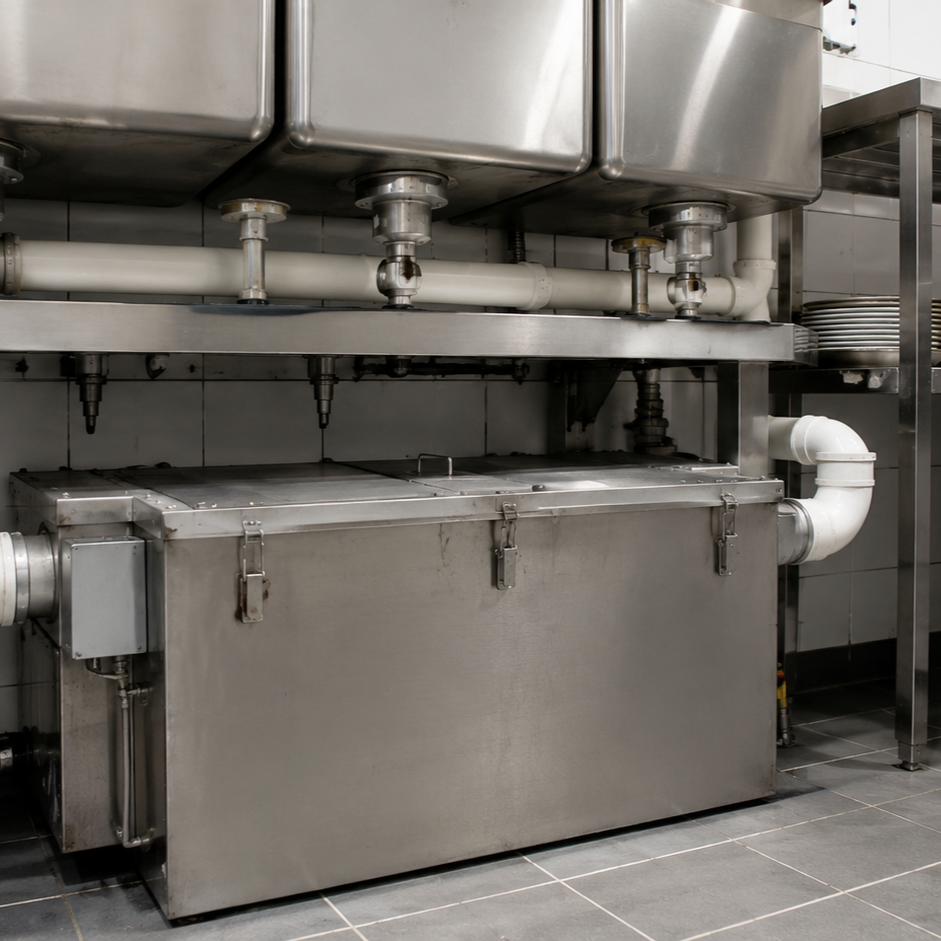
How Often Should a Restaurant Grease Trap Be Pumped?
These ranges assume standard trap sizing. An undersized trap — common in older commercial spaces that were retrofitted rather than purpose-built — will fill faster than any frequency table predicts.
Garbage Disposal Hums But Won't Spin? Fix It in 5 Minutes
Here's the fork in the road: some jams clear in two minutes with an Allen wrench. Others mean something inside the motor has given out. The hum alone doesn't tell you which — but a couple of quick checks will.
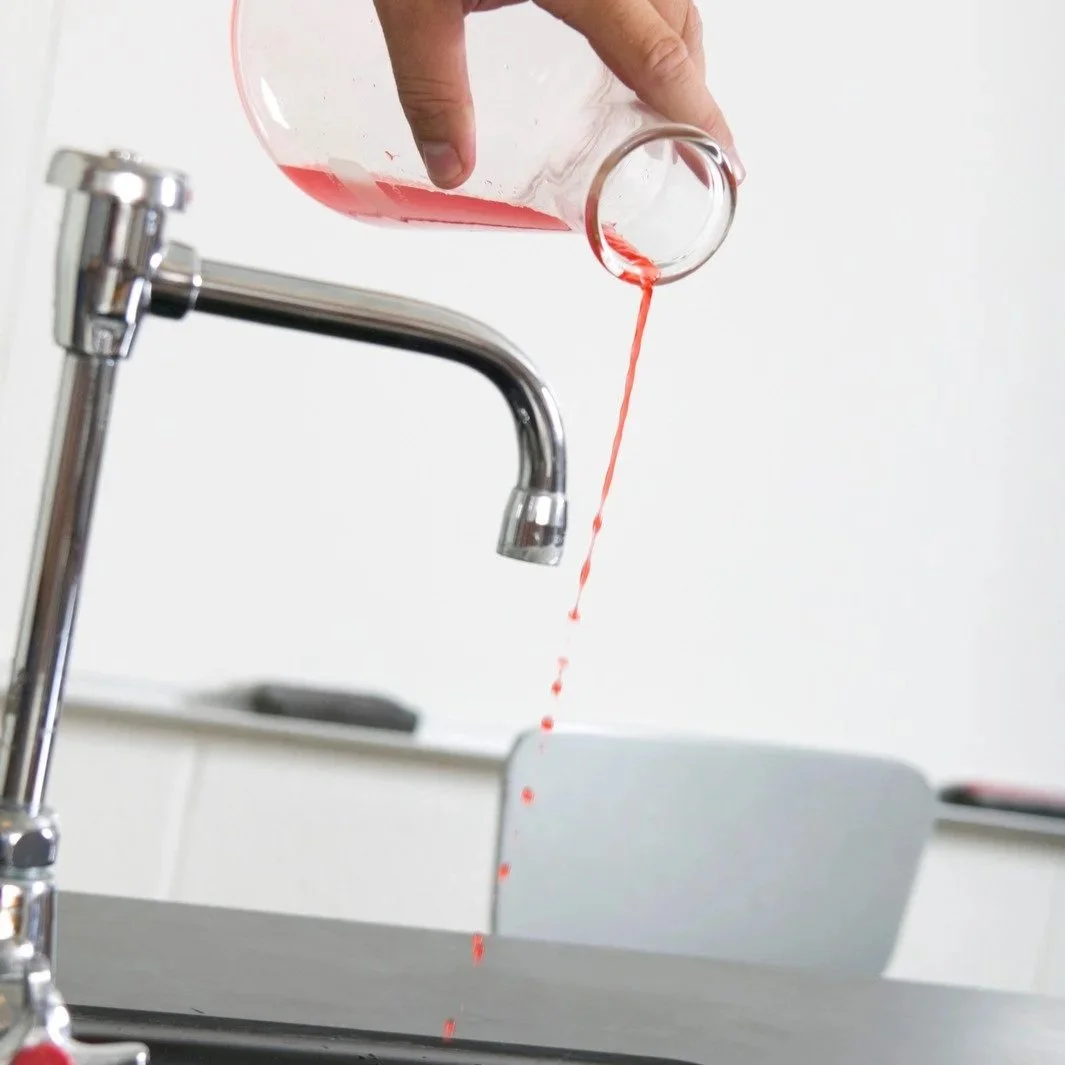
Why Does the Restaurant Hand Sink Keep Clogging? (It's Not What You Think)
Your hand sink backed up again. Three weeks ago, you paid for a snake job. Ten minutes of work, the drain tech cleared it, and now you're watching water pool six inches deep before it slugs its way down.

Sewer Odor Diagnostics That Pinpoint Hidden Problems
Sewer odor diagnostics works by examining the system as a whole rather than isolating individual fixtures.
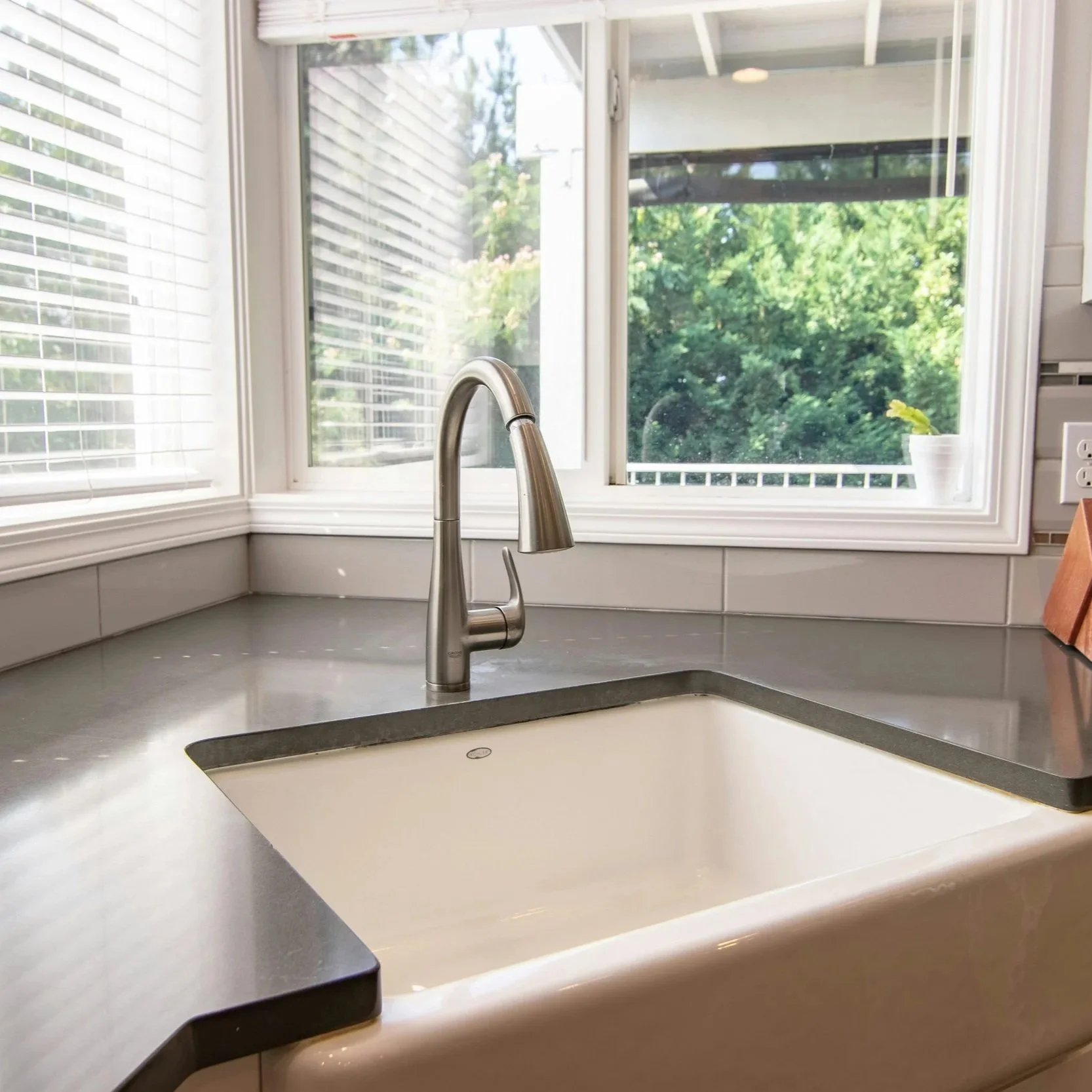
Kitchen Sink Installation Pitfalls in Montgomery County, PA Homes
Kitchen sink installation problems rarely cause immediate failure. More often, they create slow-moving issues that develop over months or years.
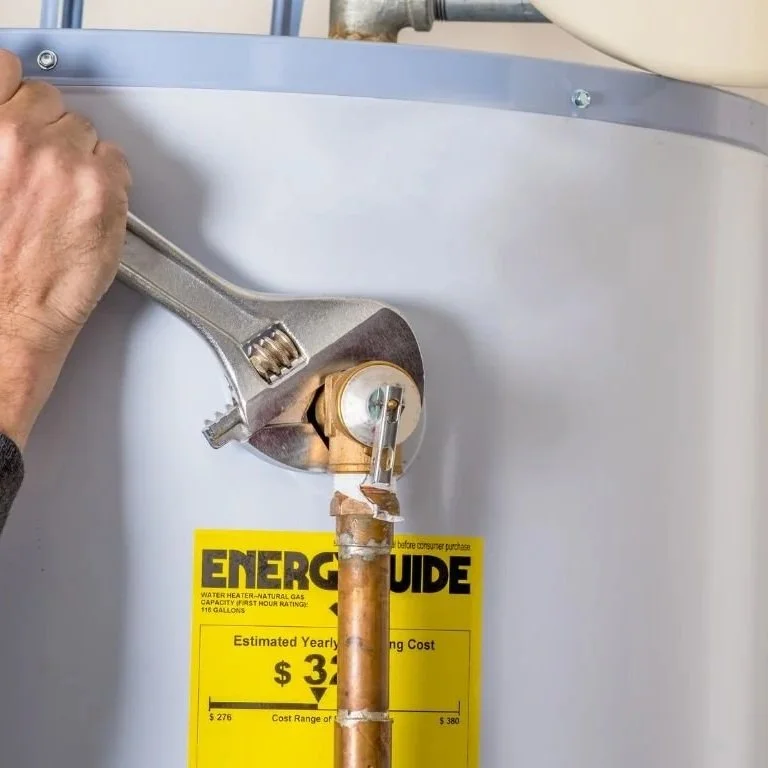
The 2026 Commercial Water Heater Deadline: What Property Owners Need to Know (And What Homeowners Don't Need to Worry About)
New federal efficiency rules will phase out non-condensing commercial water heaters by October 2026, forcing property owners to adopt condensing systems or face costly, disruptive upgrades if current units fail unexpectedly.
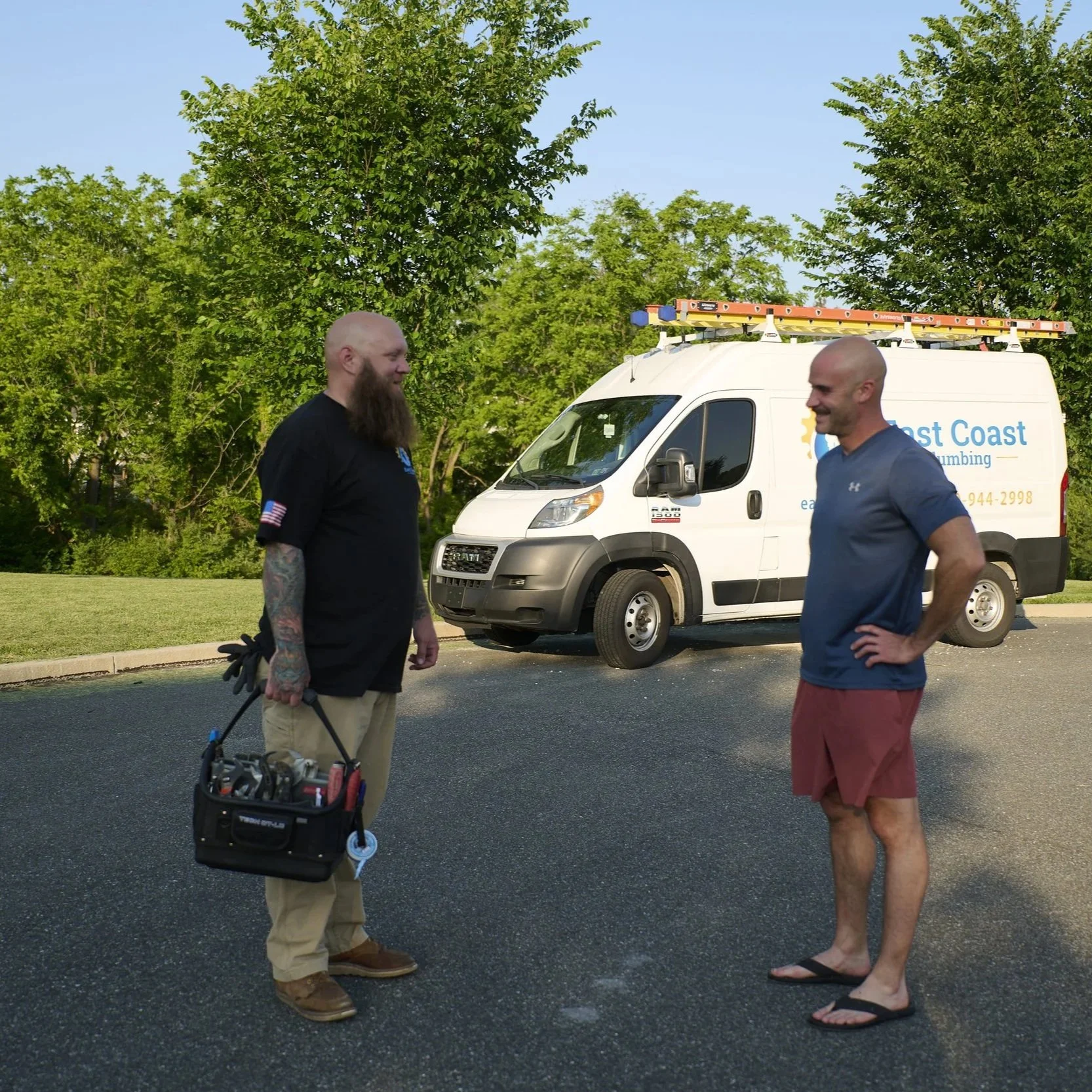
Why Your Garden Hose Didn't Survive Winter — And What That Damp Spot on the Wall Probably Means
Winter hoses left connected can cause hidden pipe freezes and bursts inside walls. Spring thaw reveals leaks, water damage, and costly repairs—making this one of the most preventable seasonal plumbing issues homeowners face.
High Water Bill Myths That Delay Leak Repairs
Sudden water bill spikes rarely come from usage alone. Hidden leaks often waste thousands of gallons. Ignoring the issue delays detection, increasing damage, costs, and complexity of necessary plumbing repairs.
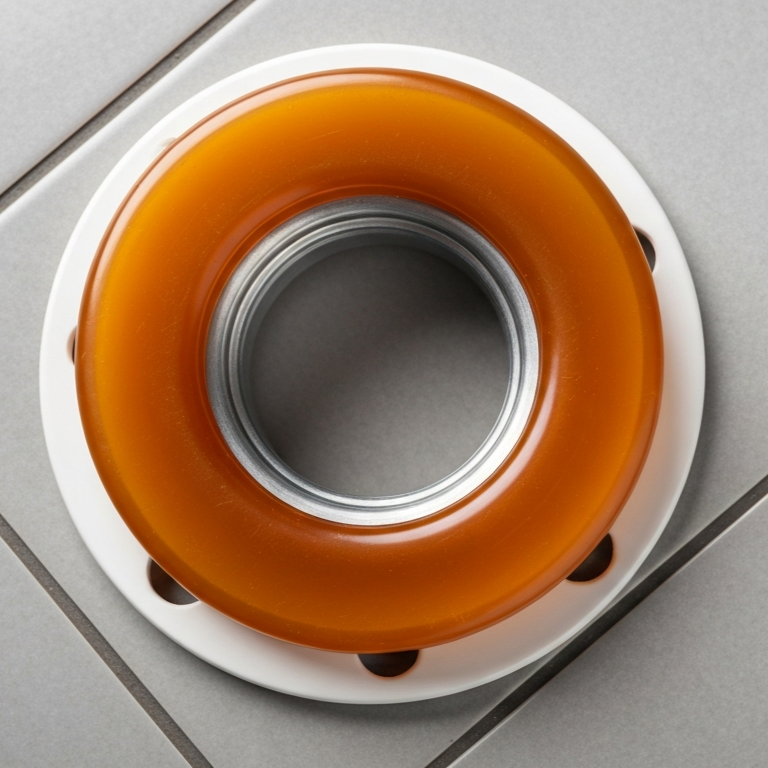
Water Pooling Around the Toilet Base? Here's What It Means
That ring sits between the toilet's horn — the discharge outlet on the underside — and the drain flange set into the floor. Press the toilet down during installation, and the wax compresses into a seal.
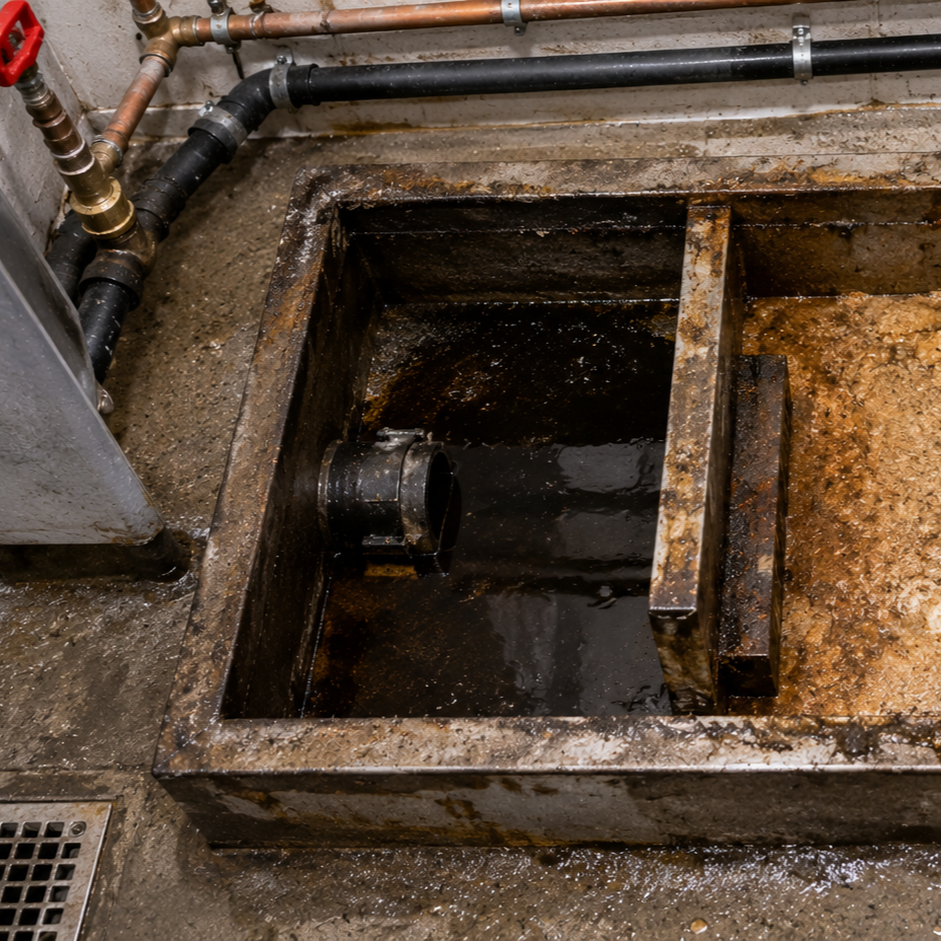
6 Signs Your Restaurant Grease Trap Will Fail the Next Inspection
A grease trap works through separation. Fats, oils, and grease — collectively called FOG — are lighter than water.
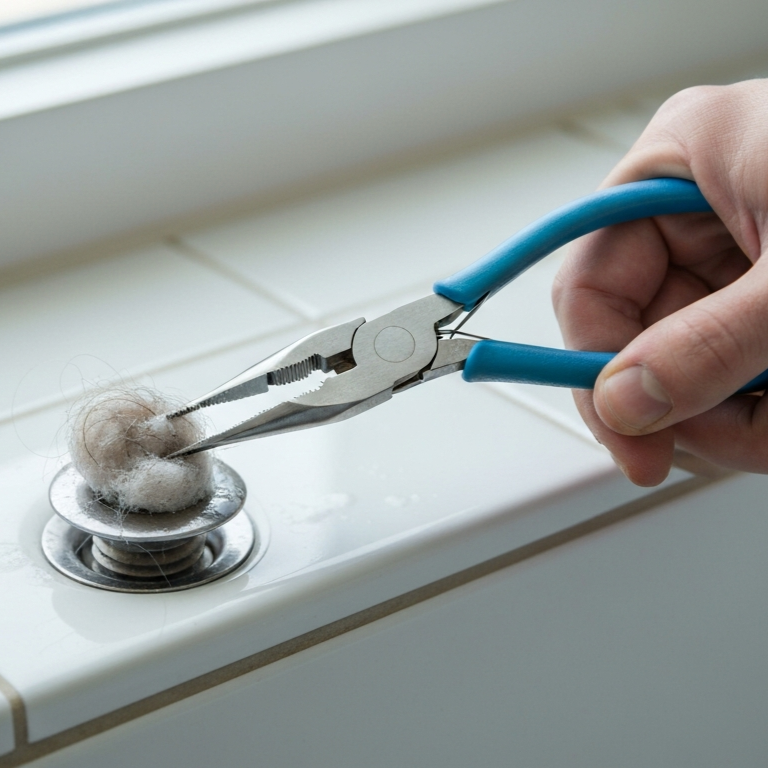
Bathtub Still Drains Slowly After Plunging? Here's the Real Problem
Plunging is designed to break apart or dislodge soft, localized blockages near the drain opening. When the real problem sits further down the pipe, or isn't a clog at all, a plunger can't reach it.
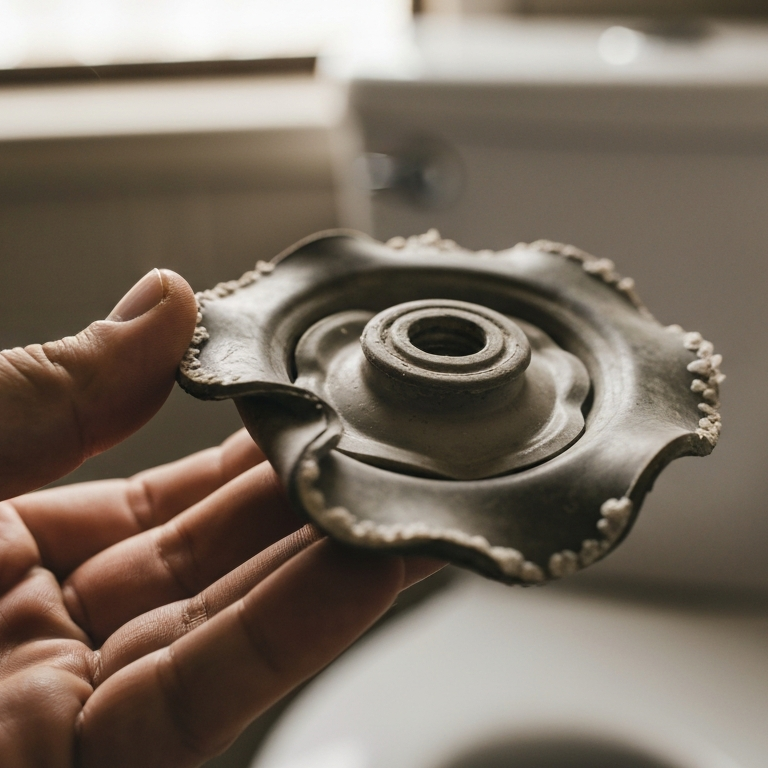
Toilet Keeps Running After Flushing? 3 Causes and Easy Fixes
A running toilet almost always traces back to one of four parts inside the tank. You don't need a plumber to figure out which one. Lift the lid and watch what happens.
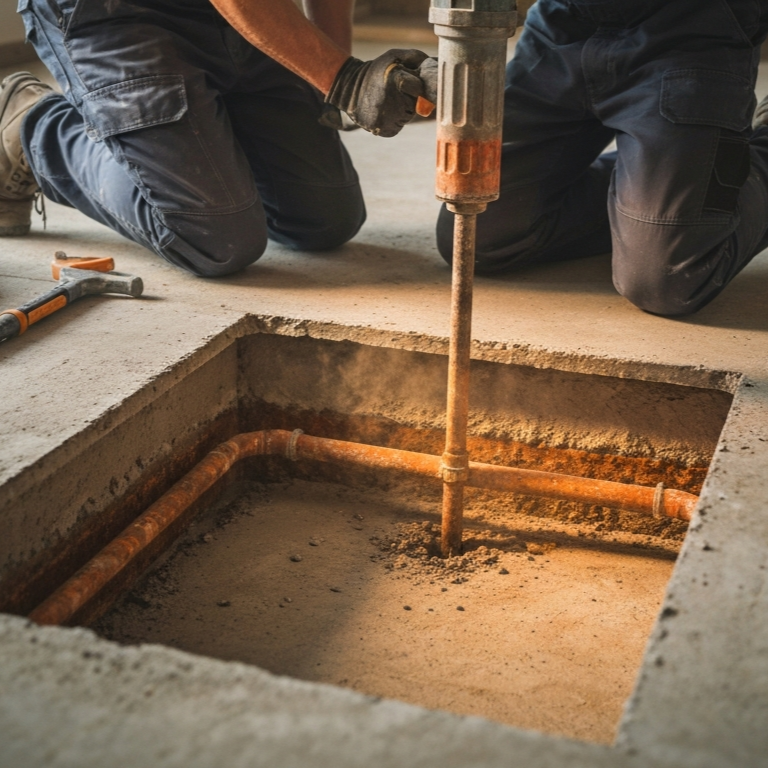
Slab Leak Repair Cost: What Actually Drives the Price ($1,500–$10,000+)
When a leak is isolated to a single short section of pipe, a plumber might go straight through the floor above it — break the slab, cut out the damaged segment, replace it. It's the most direct fix, and in the right situation, it costs the least.
7 Signs You Have a Slab Leak Under Your Foundation
A slab leak is a break in one of the supply pipes running beneath your concrete foundation. In most homes built on a slab, both the hot and cold water lines travel through or directly under the concrete before branching up into the house.
Water Bill Suddenly Doubled? Here's How to Find the Hidden Leak
A slab leak starts small. A pinhole in a hot-water line loses maybe a hundred gallons a day at first. You won't see it. The water seeps into the concrete, slowly saturating the area below your floor.